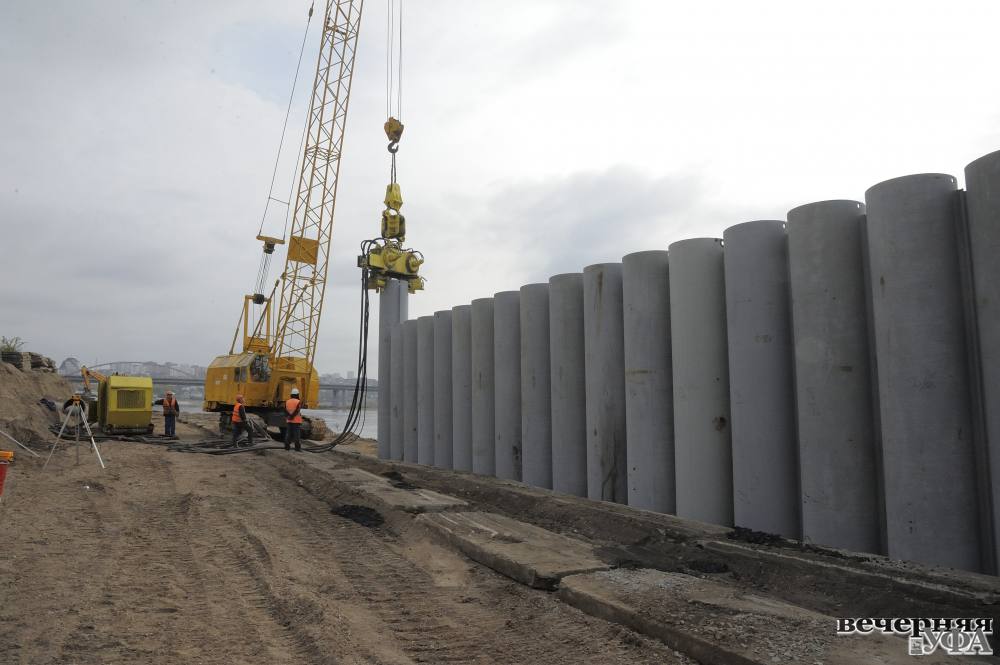

Pile driving projects are among the most critical components of modern infrastructure development, forming the foundation for bridges, buildings, ports, and industrial structures. While equipment selection and installation methods are essential, one of the most overlooked success factors is project planning and cost optimization.
Even with advanced technology and high-performance equipment, poor planning can lead to delays, budget overruns, and inefficient resource usage. As projects become more complex and timelines tighter, contractors must adopt smarter strategies that combine engineering precision with financial efficiency.
Companies like Pile Driving USA support the industry with advanced foundation solutions, equipment access, and technical expertise that help contractors execute projects with higher efficiency and lower risk.
This guide explores strategic approaches to pile driving project planning, cost control, and execution optimization for modern deep foundation construction.
The Importance of Strategic Planning in Pile Driving Projects
Successful pile driving projects begin long before equipment arrives on-site. Strategic planning determines how efficiently resources are used and how smoothly the installation process runs.
Poor planning often leads to:
- Equipment downtime
- Unnecessary labor costs
- Project delays
- Increased material waste
- Reduced structural efficiency
Effective planning ensures that every stage of the project aligns with engineering requirements, site conditions, and budget expectations.
For deeper technical insights into foundation systems, see Pile Driving Deep Foundations Guide
Understanding Cost Drivers in Pile Driving Projects
To optimize costs, it is essential to understand what drives expenses in pile driving operations.
Key Cost Factors Include:
- Equipment mobilization and setup
- Labor and crew efficiency
- Soil and ground conditions
- Project duration
- Fuel and energy consumption
- Maintenance and downtime
Each of these factors directly impacts overall project profitability.
Understanding these drivers allows contractors to identify inefficiencies before they escalate into financial losses.
Pre-Project Site Evaluation and Planning
One of the most critical steps in cost optimization is thorough site evaluation before construction begins.
Key Site Assessment Factors:
- Soil composition and density
- Water table levels
- Accessibility and logistics
- Environmental restrictions
- Structural load requirements
Accurate site evaluation reduces uncertainty and ensures proper equipment selection and installation strategy.For insights into environmental considerations, see Environmental Best Practices Pile Driving
Equipment Selection and Cost Efficiency
Choosing the right pile driving equipment has a direct impact on both performance and cost efficiency.
Incorrect equipment selection can lead to:
- Slower installation rates
- Higher fuel consumption
- Increased maintenance needs
- Structural inconsistencies
Key Selection Criteria:
- Soil conditions compatibility
- Project scale and complexity
- Energy efficiency of equipment
- Operator skill requirements
For equipment selection guidance, see Choosing the Right Pile Driver for Coastal Projects
Labor Optimization and Workforce Efficiency
Labor costs represent a significant portion of pile driving project expenses.
Strategies to Improve Labor Efficiency:
- Proper crew training and certification
- Clear task delegation
- Use of skilled operators for complex tasks
- Minimizing idle time through scheduling
Well-trained teams can significantly reduce project delays and improve installation accuracy.For safety and performance alignment, see Top 5 Safety Practices for Pile Driving Crews
Reducing Downtime Through Preventive Planning
Downtime is one of the most expensive issues in pile driving projects.
Common Causes of Downtime:
- Equipment failure
- Lack of spare parts
- Poor maintenance scheduling
- Weather disruptions
- Miscommunication between teams
Prevention Strategies:
- Scheduled maintenance checks
- Real-time monitoring systems
- On-site spare parts availability
- Backup equipment planning
For maintenance insights, see Maintaining Pile Driving Equipment
Project Timeline Management and Cost Control
Time directly affects cost in pile driving operations. The longer a project takes, the higher the operational expenses.
Timeline Optimization Techniques:
- Accurate project scheduling
- Phased installation planning
- Parallel task execution
- Real-time progress tracking
Even minor delays can significantly increase labor and equipment costs.
For analysis on delays, see How Project Timelines Delays Impact Pile Driving Costs
Technology Integration for Cost Efficiency
Modern pile driving projects increasingly rely on technology to improve accuracy and reduce inefficiencies.
Key Technologies Include:
- GPS-based alignment systems
- Digital monitoring tools
- Automated pile positioning
- Data-driven project analytics
Technology helps reduce human error and improves precision during installation.
For innovation insights, see Innovations in Pile Driving Technology
Material Selection and Structural Efficiency
Material quality and selection also influence long-term project cost efficiency.
Important Considerations:
- Durability under load stress
- Corrosion resistance
- Compatibility with soil conditions
- Installation ease
Using high-quality materials reduces long-term maintenance costs and structural risks.
For material impact analysis, see Impact of Advanced Materials on Pile Driving Durability Efficiency
Environmental and Regulatory Cost Considerations
Environmental compliance is increasingly affecting pile driving project costs.
Key Regulatory Factors:
- Noise restrictions
- Vibration control requirements
- Environmental impact assessments
- Permitting delays
Non-compliance can result in fines and project delays, increasing overall costs.
For vibration control strategies, see Vibration Monitoring Pile Driving Safety
Equipment Maintenance Strategy for Cost Reduction
Maintenance is not just about reliability it is a cost optimization strategy.
Benefits of Proper Maintenance:
- Reduced repair costs
- Extended equipment lifespan
- Improved operational efficiency
- Fewer emergency breakdowns
For advanced maintenance systems, explore Maximizing Pile Driving Efficiency Safety
Risk Management in Pile Driving Projects
Risk management is essential for controlling unexpected costs.
Key Risk Areas:
- Soil instability
- Equipment failure
- Weather delays
- Safety incidents
Effective risk planning ensures smoother execution and reduced financial exposure.
Improving Return on Investment (ROI) in Pile Driving
Maximizing ROI requires balancing cost efficiency with operational performance.
ROI Improvement Strategies:
- Efficient equipment utilization
- Reduced idle time
- Smart resource allocation
- Preventive maintenance scheduling
Higher efficiency leads directly to improved profitability per project.
Future Trends in Cost-Optimized Pile Driving
The future of pile driving is shifting toward automation, precision engineering, and data-driven decision-making.
Emerging Trends:
- AI-powered construction planning
- Autonomous pile installation systems
- Predictive maintenance technology
- Smart jobsite monitoring systems
For future insights, see Deep Foundation Pile Driving 2026
Conclusion
Pile driving project success depends not only on equipment and materials but also on strategic planning, cost control, and execution efficiency. By optimizing labor, reducing downtime, selecting the right equipment, and integrating modern technology, contractors can significantly improve project outcomes.
With support from Pile Driving USA, construction teams can access the expertise and solutions needed to execute deep foundation projects with greater precision and lower costs.
In today’s competitive construction industry, cost optimization is not optional—it is the key to sustainable success and long-term profitability.