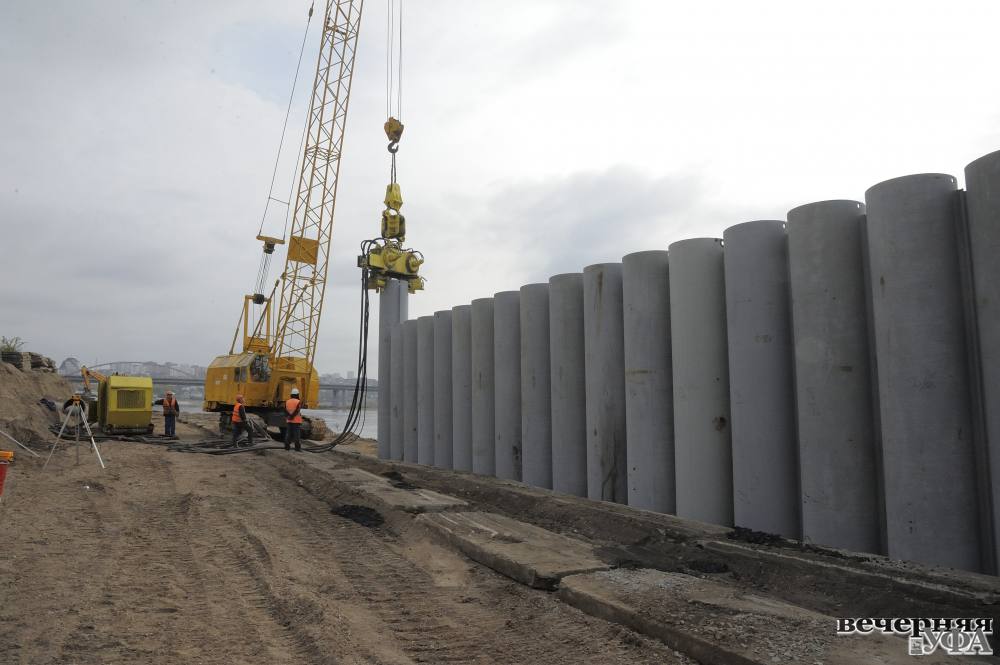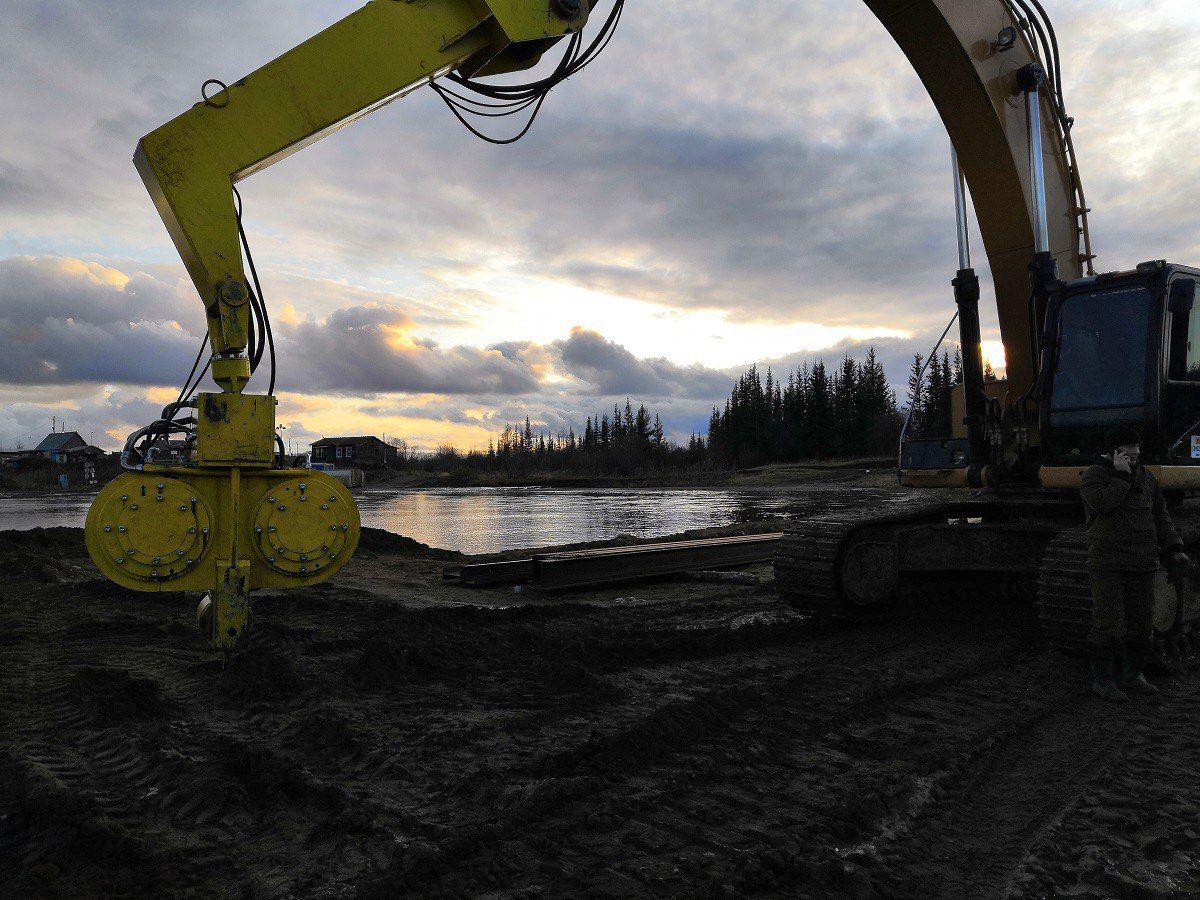

Pile driving is a fundamental aspect of construction that involves embedding piles into the ground to support structures. The process of pile driving has seen significant advancements over the years, especially with the introduction of new and improved materials. These advancements in materials have played a crucial role in improving both the durability and efficiency of pile driving equipment, enhancing the overall performance of foundation construction.
In this article, we will explore the impact of advanced materials on pile driving, focusing on how these innovations are transforming the construction industry. We will also discuss the various types of materials used in pile driving, their benefits, and how they contribute to more efficient and durable foundations.
Introduction to Advanced Materials in Pile Driving
Pile driving involves the use of large machinery that drives piles (long vertical structures, often made of steel, concrete, or timber) into the ground. This process ensures a solid foundation for buildings, bridges, and other infrastructure projects. However, the performance of pile drivers and the longevity of the piles themselves heavily depend on the materials used in their construction.
Advanced materials in pile driving refer to newer, more durable, and efficient materials designed to withstand the stresses of pile driving and provide enhanced performance. These materials aim to improve the efficiency of pile installation, reduce wear and tear on equipment, and extend the lifespan of piles.
Types of Advanced Materials Used in Pile Driving
A variety of advanced materials are currently used in pile driving to improve the durability and efficiency of piles. Some of the most notable materials include high-strength steel, fiber-reinforced concrete, composite materials, and advanced coatings.
High-strength steel is one of the most common materials used in pile driving due to its high strength and durability. Advances in metallurgy have led to the development of high-strength steel alloys, which offer even greater strength-to-weight ratios and resistance to corrosion. This makes the steel more resilient to the harsh conditions encountered during pile driving, such as high pressure, moisture, and wear. High-strength steel also enables the production of slimmer and more cost-effective piles, reducing the amount of material required while maintaining structural integrity.
Fiber-reinforced concrete (FRC) has gained popularity in the pile driving industry. It incorporates short fibers (such as glass, carbon, or steel) into concrete to enhance its tensile strength, crack resistance, and durability. FRC improves the overall performance of concrete piles, making them more resistant to cracking under pressure and extending their service life. It is particularly useful in environments where piles are exposed to harsh conditions, such as saltwater or chemically aggressive soils, providing increased protection against corrosion.
Composite materials are becoming increasingly important in pile driving. For example, fiberglass-reinforced polymer (FRP) piles are lightweight yet extremely strong and resistant to corrosion, making them an excellent choice for marine and coastal projects. Composite piles are easier to handle, more resistant to environmental factors, and have a longer lifespan. They also reduce the environmental impact of construction by utilizing recyclable materials and minimizing the need for heavy machinery.
In addition to the materials used in the construction of piles, advanced coatings and surface treatments also play a vital role in improving the durability and efficiency of pile driving. Epoxy coatings are commonly used to protect steel piles from corrosion caused by exposure to moisture, chemicals, and other environmental elements. Surface treatments, such as galvanization, are applied to piles to enhance their resistance to corrosion, thereby extending their lifespan and reducing maintenance costs over time.
How Advanced Materials Improve Durability in Pile Driving
The durability of pile driving equipment and piles is a critical factor in ensuring the success of foundation construction projects. Advanced materials play a significant role in enhancing the durability of both the piles and the machinery used in the pile driving process.
Corrosion resistance is one of the primary challenges faced in pile driving, especially when piles are exposed to harsh environments like seawater, acidic soils, and industrial chemicals. Materials such as high-strength steel alloys, fiber-reinforced concrete, and composite materials are designed to resist corrosion and extend the life of piles. For example, FRP piles are naturally resistant to corrosion, making them ideal for marine environments. Similarly, fiber-reinforced concrete provides enhanced resistance to cracking and corrosion, ensuring that the piles remain strong and stable over time.
Resistance to wear and tear is another crucial factor. Pile driving subjects piles to significant forces, which can cause wear and tear over time. High-strength materials, such as advanced steel alloys, are designed to withstand the forces exerted during the pile driving process without degrading or losing their structural integrity. This resistance to wear and tear ensures that piles continue to perform effectively throughout their lifespan. Moreover, advanced coatings and surface treatments further enhance the durability of piles by providing an additional layer of protection against mechanical wear and environmental degradation.
Advanced materials also contribute to an increase in load-bearing capacity. High-strength steel alloys allow piles to bear greater loads without failing, while fiber-reinforced concrete enhances the tensile strength of concrete piles. This increase in load-bearing capacity ensures that the foundation can support the weight of the structure above, even in challenging conditions.
How Advanced Materials Improve Efficiency in Pile Driving
Efficiency in pile driving is crucial for reducing project timelines and costs. By utilizing advanced materials, contractors can significantly improve the efficiency of the pile driving process, reducing both installation time and operational costs.
Advanced materials such as lightweight composite piles and high-strength steel enable faster pile installation. These materials are easier to handle, transport, and install, reducing the overall time required for pile driving. For example, composite piles are lighter than traditional steel or concrete piles, making them easier to manipulate and drive into the ground. Additionally, advanced materials are designed to withstand higher forces during installation, meaning the pile driving process can be completed more quickly and with fewer delays.
Using advanced materials in pile driving can also significantly reduce the need for ongoing maintenance. Materials such as fiber-reinforced concrete and FRP piles are more resistant to corrosion and damage, which reduces the frequency of inspections and repairs. This not only improves efficiency but also lowers the long-term costs associated with maintaining piles.
While advanced materials may have a higher upfront cost, they can lead to significant savings in the long run. By improving the durability and efficiency of piles, these materials reduce the need for repairs and replacements, ultimately lowering the total cost of the project.
The Role of Innovation in Shaping the Future of Pile Driving
The pile driving industry is evolving rapidly, driven by innovations in materials and technology. As the demand for more sustainable, durable, and efficient foundation solutions grows, the development of advanced materials will continue to play a crucial role in shaping the future of pile driving.
Ongoing research and development in materials science are paving the way for even more advanced pile driving solutions, such as self-healing concrete and piles made from biodegradable materials. These innovations will further improve the efficiency and sustainability of pile driving, making it an even more essential part of modern construction.
Conclusion
The impact of advanced materials on pile driving is profound, enhancing both the durability and efficiency of piles and the machinery used in the pile driving process. From high-strength steel and fiber-reinforced concrete to composite materials and advanced coatings, these materials are revolutionizing the foundation construction industry.
By improving resistance to corrosion, wear and tear, and increasing load-bearing capacity, advanced materials are ensuring that piles remain stable and effective throughout their lifespan. Additionally, these materials contribute to faster installation, reduced maintenance, and long-term cost savings, making pile driving more efficient and cost-effective.
As the construction industry continues to evolve, the role of advanced materials in pile driving will only become more important. Contractors, developers, and engineers must continue to embrace these innovations to stay ahead of the curve and deliver high-quality, sustainable foundations for future generations.
For more information on the latest in pile driving technology, check out our guide to pile driving equipment and safety practices for pile driving crews. You can also visit our home page for more insights into how our advanced equipment is changing the construction industry.