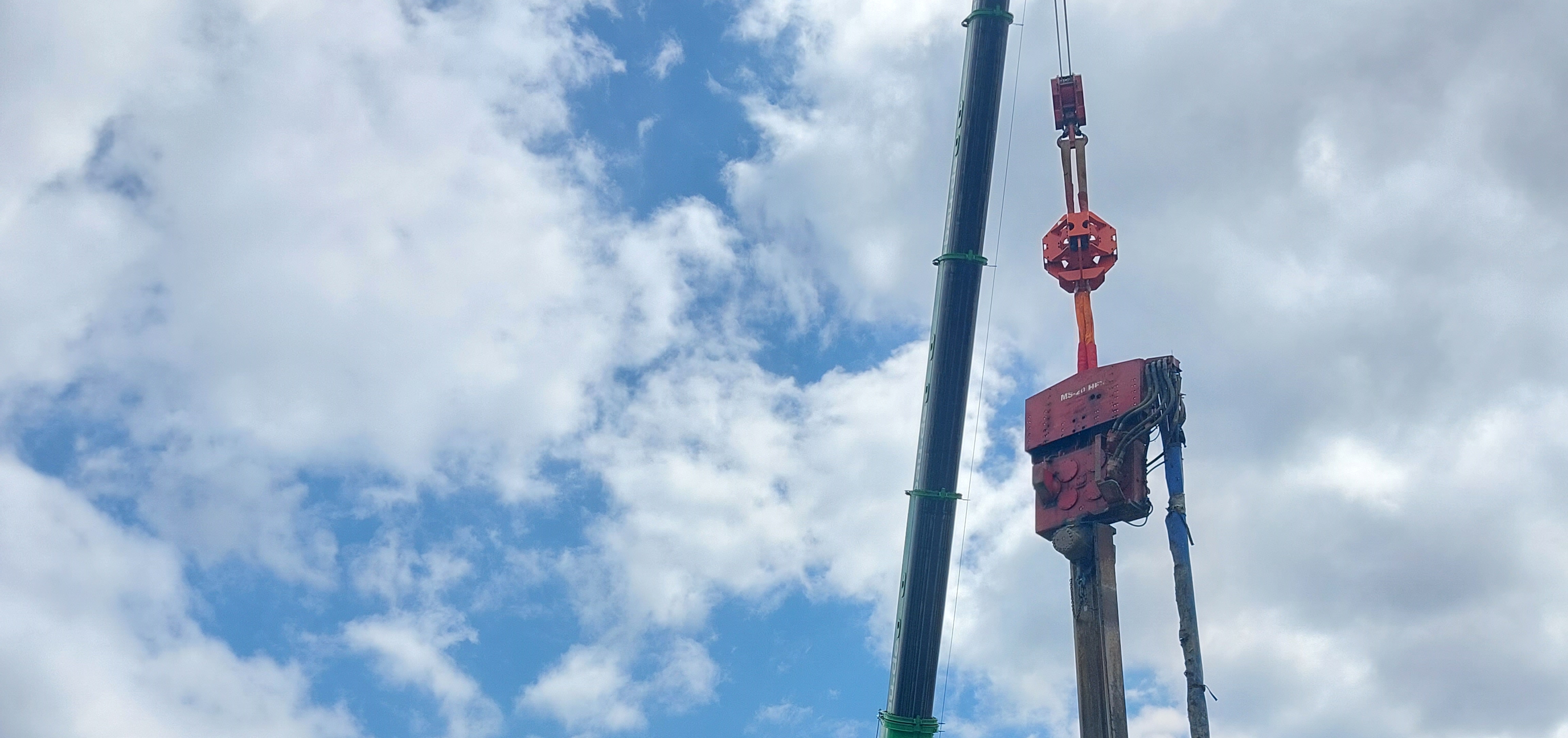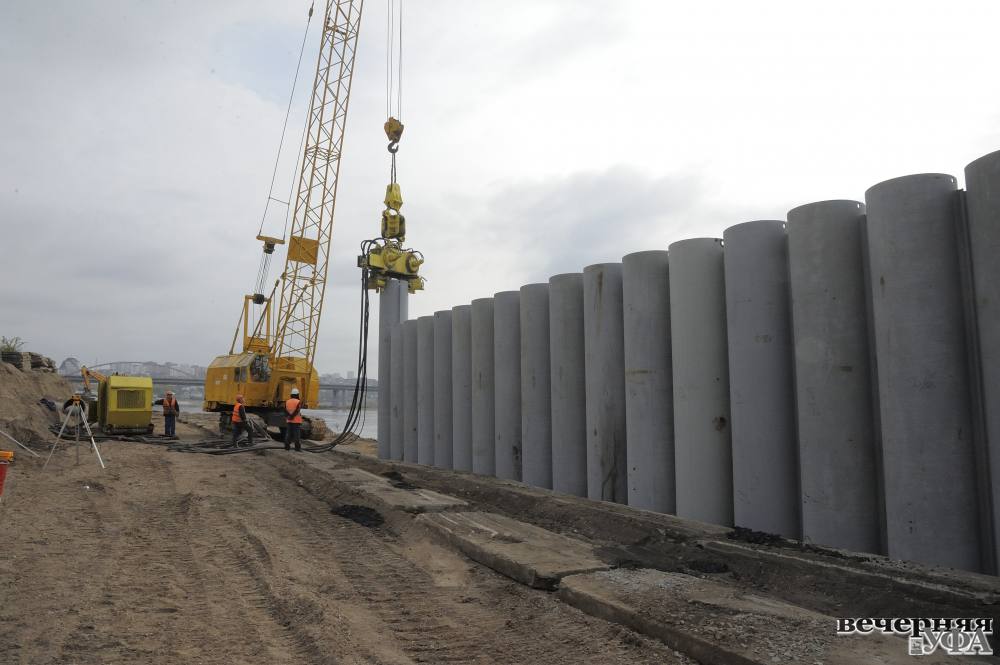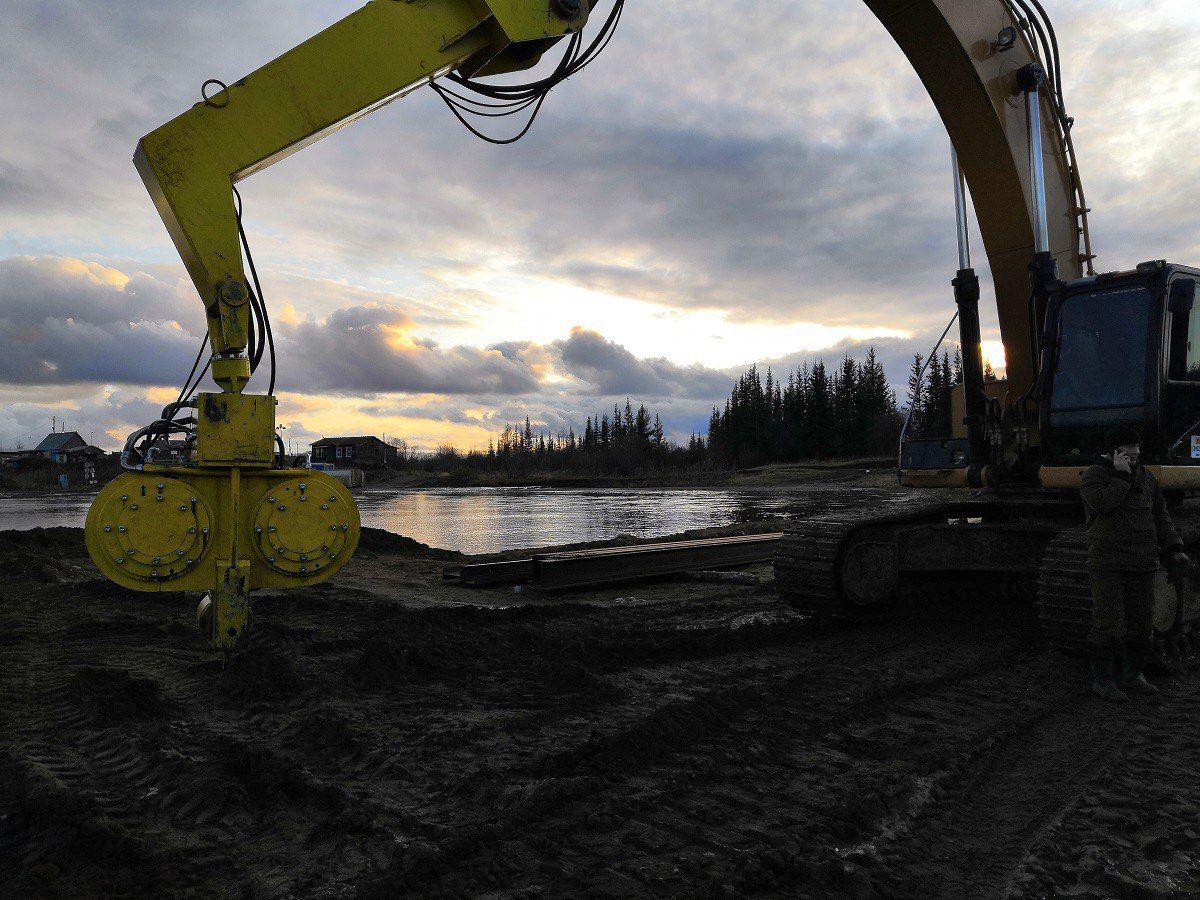


In pile driving projects, timelines are not just schedules on paper. They directly control costs, crew productivity, equipment efficiency, and overall project profitability. Even small delays can create a chain reaction that increases expenses far beyond the original estimate.
For contractors, developers, and project managers, understanding how delays affect pile driving costs and knowing how to control those risks can make the difference between a profitable project and one that barely breaks even.
This guide breaks down where timeline delays come from, how they increase pile driving costs, and what contractors can do to keep projects moving.
Why timelines matter so much in pile driving
Pile driving work is highly dependent on sequencing. Unlike many other construction activities, piling cannot easily be paused and restarted without consequences. Once crews, equipment, and materials are mobilized, every lost day adds cost.
Delays commonly lead to:
- Idle labor and equipment
- Extended rental periods
- Higher fuel and maintenance spend
- Schedule clashes with other trades
- Penalties or strained client relationships
Common causes of pile driving project delays
1. Incomplete site readiness
Pile driving crews often arrive to sites that are not fully prepared. Poor access, unresolved utility conflicts, and incomplete excavation can stop work before it starts.
A major hidden issue is subsurface uncertainty. Even when reports look clear, actual conditions can change what’s feasible and how fast production can move. If you want a deeper read on how ground behavior affects pacing and planning, see this post on soil conditions and pile driving.
2. Equipment availability and breakdowns
Delays also happen when the wrong machine is selected for the job or when equipment is not kept in working condition. A single unplanned repair can cost a full shift or multiple days.
Contractors can prevent a lot of downtime by following real-world maintenance routines like those explained in maintaining pile driving equipment.
3. Weather-related delays
Weather impacts piling more than many trades. Cold snaps, high winds, heavy rain, and snow can affect ground stability, equipment performance, and crew safety.
If you work in winter climates, planning matters. Use this guide on pile driving in cold weather to reduce avoidable slowdowns.
4. Design changes and late revisions
Last-minute changes to pile depth, spacing, or type create cost and timeline shocks. Revisions can require equipment changes, production recalculations, and sometimes material reorders. That kind of disruption almost always pushes timelines.
5. Compliance and monitoring requirements
Noise, vibration, and environmental constraints can slow production, especially in urban or sensitive sites. If you’re on a project where monitoring is required, build it into your schedule early using guidance like vibration monitoring for pile driving safety.
How delays directly increase pile driving costs
Delays rarely hit only one budget line. They ripple across labor, equipment, overhead, and coordination.
Increased labor costs
Pile driving crews are typically paid by the day or hour. When work pauses:
- Labor costs continue
- Output drops
- Overtime becomes likely to catch up
That’s how a small schedule slip turns into a large labor overrun.
Equipment downtime and rental extensions
Pile drivers, power packs, vibro systems, and attachments are expensive. Delays can force:
- Extended rentals
- Standby charges
- Remobilization costs
If you want to reduce “wrong equipment” issues, review pile driving equipment guide and your broader reference on pile driving equipment used for construction foundations.
Fuel and operating expenses
Idle machines still burn fuel during warm-up cycles, repositioning, and holding patterns. Longer schedules also increase wear and tear, which pushes maintenance and repair costs up.
Scheduling conflicts with other trades
Pile driving is often critical path. If piling slips, other trades can’t start. That triggers rescheduling fees, subcontractor claims, and site-wide inefficiency. A delay in piling can become a delay in the entire project.
Contract risk and relationship damage
Late milestones can trigger penalties or damage client confidence. Developers remember who consistently hits dates and who doesn’t. Schedule control is not just operational, it’s reputation.
How contractors can control timeline-related costs
Choose equipment based on the job, not what’s nearby
Selecting the closest available machine often causes delays later. Choose based on soil, pile type, project scale, and restrictions.
If you’re weighing driver types, this breakdown helps: hydraulic vs vibratory pile drivers.
If you’re aiming to improve efficiency and reduce slowdowns in installation cycles, see vibratory hammer installation speed.
Build realistic buffers into the schedule
Schedules with zero contingency usually fail. Good planning includes:
- Weather buffer days
- Inspection and approval buffers
- Equipment service windows
This keeps the project from entering “panic mode” when something normal goes wrong.
Use preventive maintenance to avoid surprise downtime
A planned service window is cheaper than an unplanned breakdown. Contractors can cut downtime risk by using a consistent plan like the one outlined in maintaining pile driving equipment.
Improve coordination between field and engineering
Many delays come from miscommunication: wrong sequencing, unclear pile locations, missing survey control, or last-minute adjustments. Short daily coordination points reduce these issues fast.
Track production daily and react early
If production slows, the earlier you respond, the cheaper it is. Track:
- Piles installed per shift
- Downtime reasons
- Crew utilization
- Equipment performance
If you’re interested in advanced jobsite tracking and modernization, explore GPS in pile driving and automated pile installation and broader trend context in innovations in pile driving technology.
Plan for noise and vibration constraints in advance
Urban and sensitive projects are where schedules collapse if you don’t plan early. For modern approaches in these environments, see modern vibratory hammers for urban pile driving and strategies for reducing disturbance in quiet pile driving in the USA.
Example: how small delays create big cost overruns
Consider a mid-sized foundation job scheduled for three weeks of piling. Due to incomplete site readiness and an equipment issue:
- Work starts late by 2 days
- One day is lost to troubleshooting
- The crew needs overtime to catch up
- Rentals extend due to schedule compression
Even a 3–4 day slip can increase the piling scope cost noticeably once labor, equipment, and overhead stack up.
Work with partners that reduce schedule risk
Manufacturers and suppliers that understand production realities can help contractors:
- Select the right system from day one
- Reduce downtime through better support and reliability
- Maintain predictable output
If you want to explore equipment and solutions designed for reliability and project pacing, visit PileDrivingUSA pile driving equipment manufacturer.
Final thoughts
Project timelines and pile driving costs are tightly linked. Delays raise labor costs, extend equipment usage, and create site-wide scheduling conflicts. While some disruptions are unavoidable, many can be controlled with practical planning, correct equipment choices, preventive maintenance, and daily production tracking. Contractors who treat scheduling as a cost-control tool protect margins, reduce stress, and deliver more consistent outcomes.