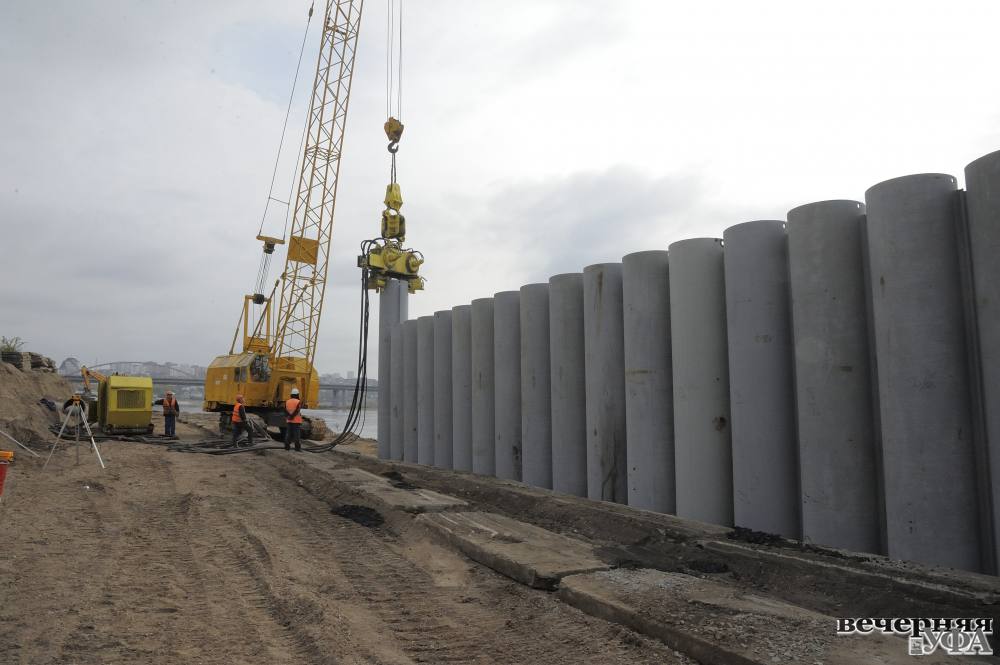

Pile driving is a core process in modern construction, especially when projects require strong and stable deep foundations. From high-rise buildings and bridges to marine structures and industrial facilities, pile driving provides the support needed to transfer structural loads safely into the ground. Without properly installed piles, many large-scale structures would face long-term stability issues. Understanding how pile driving works, why it matters, and how modern equipment improves results is essential for contractors, engineers, and project planners.
Deep foundation construction is often required when surface soils cannot support heavy loads. In these cases, piles are driven deep into the ground until they reach stable soil layers or bedrock. This method ensures that structures remain secure over time, even in challenging soil conditions. Pile driving services have evolved significantly, offering quieter, more precise, and more efficient solutions than ever before.
This guide explains the role of pile driving in construction, the equipment used, and why modern piling methods are critical for today’s projects.
Why Pile Driving Is Essential for Deep Foundations
Pile driving plays a vital role in projects where shallow foundations are not sufficient. Soft soils, high water tables, or heavy structural loads often require deep foundations to prevent settlement and structural movement. Piles act as load-bearing columns, transferring weight from the structure to stronger soil layers below.
Deep foundation systems are commonly used in urban construction, infrastructure development, and coastal projects. Skyscrapers, bridges, retaining walls, ports, and offshore platforms all rely on pile driving to achieve long-term stability. Without piles, these structures would be vulnerable to shifting soils, erosion, and load-related failures.
Pile driving also improves safety during construction. Properly installed piles reduce the risk of foundation movement during and after construction. This stability allows other phases of the project to move forward confidently, keeping timelines intact and minimizing costly rework.
A Brief History of Pile Driving in Construction
Pile driving is not a new concept. Early civilizations used wooden piles driven into soft ground to support buildings and walkways, particularly in wet or coastal areas. Over time, materials and methods improved, leading to the use of timber, steel, and concrete piles.
As construction demands increased, so did the need for more efficient installation methods. Traditional impact hammers paved the way for modern hydraulic pile drivers and vibratory systems. These advancements allowed piles to be installed faster, with greater accuracy, and with less environmental impact.
Today’s pile driving equipment reflects decades of engineering improvements. Modern systems are designed to meet strict safety standards, reduce noise and vibration, and handle a wide range of pile types and soil conditions. This evolution has made pile driving more adaptable to urban and environmentally sensitive environments.
Modern Pile Driving Equipment and Techniques
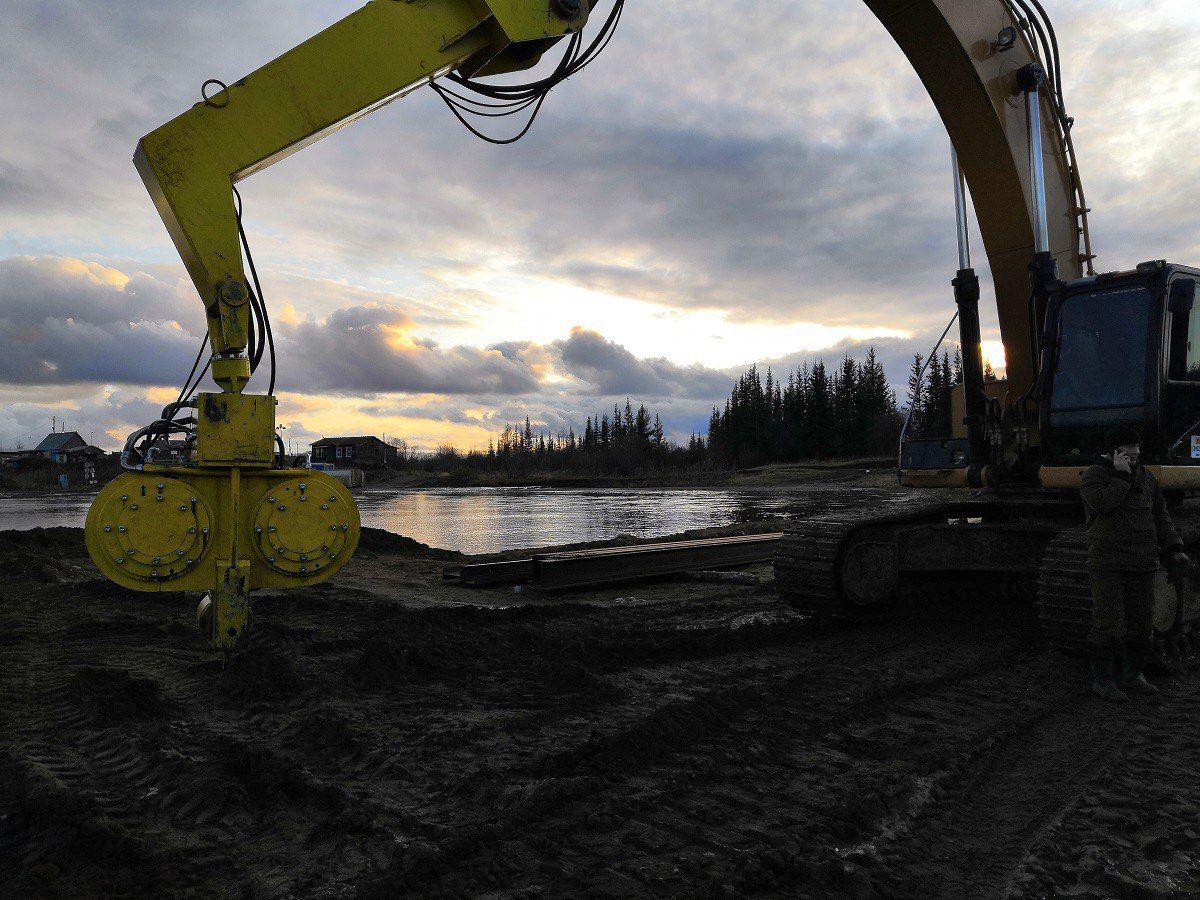
Modern pile driving relies on advanced equipment designed for precision and efficiency. Hydraulic pile drivers are widely used due to their controlled force and consistent performance. Unlike older impact systems, hydraulic drivers allow operators to adjust driving force based on soil conditions and pile type. This reduces the risk of pile damage and improves installation accuracy.
Vibratory hammers are another commonly used tool in deep foundation construction. These systems use vibration to reduce soil resistance, allowing piles to be installed with less noise and impact. Vibratory pile driving is especially useful in urban areas where noise regulations are strict and minimizing disturbance is a priority.
Steel pile installation is one of the most common applications of modern pile driving equipment. Steel piles offer high load capacity and durability, making them ideal for large structures and infrastructure projects. Their strength and flexibility allow them to perform well in a variety of soil conditions.
Noise Control and Urban Construction Challenges
One of the biggest challenges in pile driving is managing noise and vibration, especially in populated areas. Traditional pile driving methods can generate significant noise, leading to complaints and project delays. Modern low-noise pile driving equipment addresses these concerns by reducing sound levels while maintaining performance.
Hydraulic and vibratory systems are designed to meet city noise regulations, allowing projects to proceed without violating local requirements. This is particularly important for urban developments, where construction often takes place near residential buildings, offices, and public spaces.
Reducing noise also improves working conditions on-site. Lower sound levels reduce operator fatigue and improve overall job site safety. These benefits make modern pile driving equipment a practical choice for projects that require precision without disruption.
Common Applications of Pile Driving Services
Pile driving services are used across a wide range of construction projects. In commercial construction, piles support high-rise buildings and large facilities where surface soils cannot handle structural loads. In infrastructure projects, pile driving is essential for bridges, highways, and retaining walls.
Marine and waterfront construction relies heavily on pile driving. Piers, docks, and seawalls require piles to anchor structures in water-saturated soils. Pile driving ensures these structures can withstand environmental forces such as waves, currents, and erosion.
Industrial projects also depend on pile driving for foundations that support heavy equipment and machinery. These foundations must remain stable under constant load and vibration, making proper pile installation critical for long-term performance.
The Role of Skilled Contractors and Equipment Selection
Successful pile driving depends on both the equipment used and the expertise of the contractor. Experienced pile driving contractors understand how to evaluate soil conditions, select the right pile type, and choose appropriate installation methods. This knowledge helps avoid issues such as pile refusal, misalignment, or structural damage.
Choosing the right pile driving equipment is equally important. Factors such as pile material, depth requirements, soil type, and environmental constraints all influence equipment selection. Using the correct tools ensures efficient installation and reduces the risk of delays or unexpected costs.
Reliable access to modern pile driving equipment also supports cost control. Efficient systems reduce installation time, minimize equipment wear, and help projects stay within budget.
Cost Efficiency and Long-Term Project Value
Pile driving represents a significant investment, but it also delivers long-term value. Properly installed piles reduce maintenance needs and extend the life of the structure. Cutting corners during foundation work can lead to costly repairs or structural issues later.
Modern pile driving equipment improves cost efficiency by reducing labor hours and minimizing material waste. Faster installation times translate into lower project costs and fewer schedule disruptions. Noise-compliant equipment also helps avoid fines and delays caused by regulatory issues.
Planning foundation work carefully and investing in the right pile driving solutions protects both the project timeline and the overall budget.
Why Pile Driving Remains Critical in Modern Construction
As construction projects grow more complex, the need for reliable deep foundations continues to increase. Pile driving remains one of the most effective ways to achieve stability in challenging soil conditions. Advances in equipment and techniques have made the process more efficient, precise, and adaptable to modern requirements.
Understanding pile driving methods and equipment allows construction professionals to make better decisions and avoid costly mistakes. From urban developments to large-scale infrastructure projects, pile driving continues to be a foundation of successful construction.
Final Thoughts
Pile driving is a critical component of deep foundation construction. It provides the stability and strength required for large and complex structures while adapting to modern challenges such as noise control and environmental considerations. With advanced equipment, skilled contractors, and proper planning, pile driving delivers long-lasting results that support safe and successful construction projects.
Investing in modern pile driving solutions is not just about meeting today’s needs. It is about building foundations that will perform reliably for decades to come.