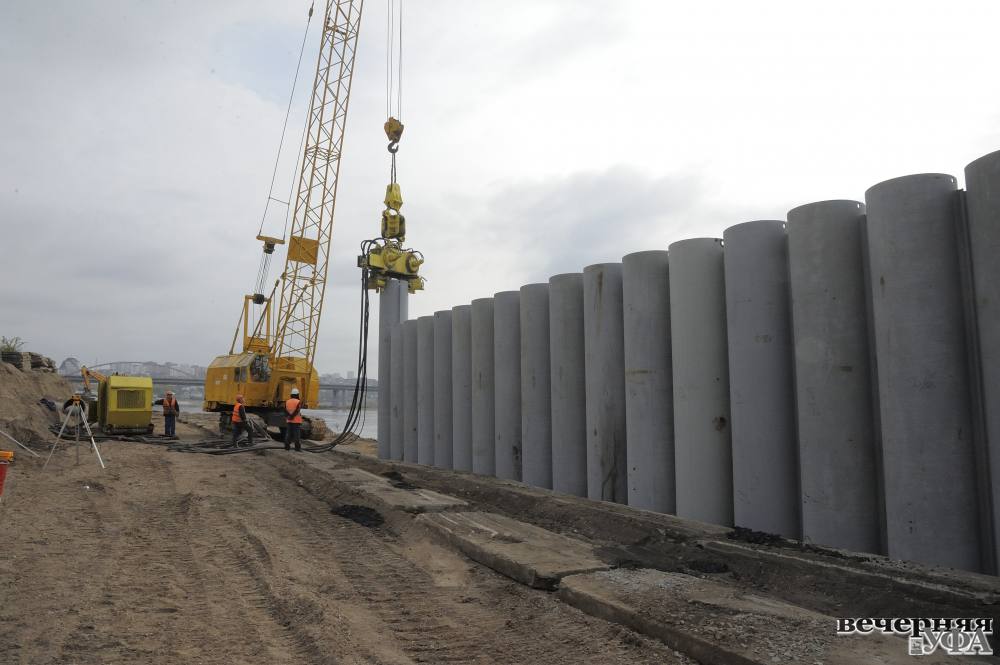

Pile driving is a critical process in deep foundation construction, providing the structural support needed for buildings, bridges, marine structures, and infrastructure projects. While advanced equipment and modern techniques have improved performance, project success still depends heavily on effective planning. Without proper planning, pile driving projects can face delays, increased costs, safety risks, and structural challenges. From selecting the right equipment to managing site conditions and timelines, every decision impacts overall efficiency and profitability. In this article, we’ll explore how to plan pile driving projects strategically to improve efficiency, minimize costs, and ensure long-term foundation performance.
Why Project Planning Is Essential in Pile Driving
Pile driving projects involve multiple variables, including soil conditions, equipment selection, labor coordination, and environmental considerations.
Poor planning can result in:
- Project delays
- Increased operational costs
- Equipment downtime
- Safety hazards
- Compromised foundation integrity
A well-structured plan helps streamline operations, reduce risks, and deliver projects on time and within budget.
Start with Comprehensive Site Analysis
Every successful pile driving project begins with a detailed site evaluation.
Key Factors to Assess:
- Soil composition and stability
- Groundwater levels
- Load-bearing capacity
- Environmental conditions
Understanding these elements ensures that the correct pile type and installation method are selected. For deeper insights, review soil conditions and pile driving
Selecting the Right Equipment for the Project
Choosing appropriate equipment is one of the most important decisions in project planning.
The type of pile driver, hammer, and support equipment must match the project’s requirements.
Considerations Include:
- Project size and scope
- Soil type
- Required pile depth
- Environmental restrictions
Selecting the wrong equipment can lead to inefficiencies and increased costs. For guidance, see choosing the right pile driver Additionally, understanding equipment options is covered in pile driving equipment guide
Optimize Project Scheduling to Avoid Delays
Time management is a major factor in controlling costs.
Scheduling Best Practices:
- Coordinate equipment availability
- Plan for weather conditions
- Allocate sufficient time for each phase
- Avoid overlapping tasks unnecessarily
Delays can significantly increase expenses, as explained in how project timelines delays impact pile driving costs
Improve Efficiency Through Proper Equipment Setup
Proper equipment setup ensures smooth operations and reduces downtime.
Key Steps:
- Calibrate machinery before use
- Ensure correct alignment of piles
- Test equipment performance
- Verify hydraulic and power systems
Efficient setup reduces errors and improves installation accuracy.
Minimize Downtime with Preventive Maintenance
Equipment breakdowns are one of the biggest contributors to project delays and increased costs.
Maintenance Strategies:
- Conduct regular inspections
- Replace worn components proactively
- Maintain hydraulic systems
- Keep spare parts available
For maintenance best practices, explore maintaining pile driving equipment
Enhance Productivity with Advanced Technology
Modern technology is transforming pile driving operations.
Key Innovations:
- GPS-guided pile installation
- Real-time monitoring systems
- Automated control systems
- Data-driven performance tracking
These tools improve accuracy, reduce errors, and enhance efficiency. Learn more in gps in pile driving automated pile installation modern pile driving technology
Address Environmental and Regulatory Requirements
Environmental considerations play a significant role in pile driving projects.
Important Factors:
- Noise and vibration control
- Soil and water protection
- Compliance with regulations
- Minimizing impact on surrounding areas
Sustainable practices help avoid delays and ensure project approval.
For eco-friendly strategies, see environmental best practices pile driving
Improve Safety to Maintain Project Efficiency
Safety is directly linked to productivity. Accidents not only harm workers but also cause project delays.
Safety Best Practices:
- Provide proper training
- Use protective equipment
- Monitor vibration levels
- Maintain clear communication on-site
For more details, visit top 5 safety practices for pile driving crews
Choose the Right Installation Technique
Different projects require different pile installation methods.
Common Techniques:
- Impact driving
- Vibratory driving
- Hydraulic pressing
Each method has its own advantages depending on soil conditions and project requirements.
For a comparison, see hydraulic vs vibratory pile drivers
Reduce Costs with Efficient Resource Management
Effective resource management helps control project expenses.
Key Areas:
- Labor allocation
- Equipment utilization
- Material usage
- Fuel consumption
Optimizing these resources ensures cost-effective operations.
Plan for Challenging Conditions
Pile driving projects often encounter challenging environments, such as:
- Urban areas with limited space
- Coastal regions with unstable soil
- Cold weather conditions
Planning for these challenges helps avoid delays and ensures smooth execution.
For winter-specific strategies, see pile driving cold weather winter tips
Build a Skilled and Coordinated Team
A well-trained and coordinated team is essential for project success.
Benefits Include:
- Faster project completion
- Reduced errors
- Improved safety
- Better communication
Investing in skilled labor ensures efficient operations and high-quality results.
Avoid Common Project Planning Mistakes
Many pile driving projects face issues due to avoidable mistakes.
Common Errors:
- Inadequate site analysis
- Poor equipment selection
- Lack of maintenance planning
- Ignoring environmental regulations
- Weak project coordination
Addressing these issues early can significantly improve outcomes.
For additional insights, review common pile driving challenges and solutions
Long-Term Benefits of Effective Planning
Strategic project planning provides long-term advantages, including:
- Improved project efficiency
- Reduced operational costs
- Enhanced equipment lifespan
- Stronger foundation performance
These benefits contribute to overall project success and profitability.
The Future of Pile Driving Project Planning
The pile driving industry continues to evolve with advancements in technology and sustainability.
Future trends include:
- Automated equipment systems
- Real-time data analysis
- Eco-friendly installation methods
- Improved vibration control technologies
Contractors who adopt these innovations will gain a competitive edge.
Conclusion
Pile driving project planning is a critical factor in achieving efficiency, cost control, and long-term success. By focusing on proper site analysis, equipment selection, scheduling, maintenance, and safety, contractors can significantly improve project outcomes. From reducing downtime to leveraging advanced technology, every step in the planning process contributes to overall performance and profitability.In today’s competitive construction environment, success depends on more than just equipment; it requires strategic planning, skilled execution, and continuous optimization.