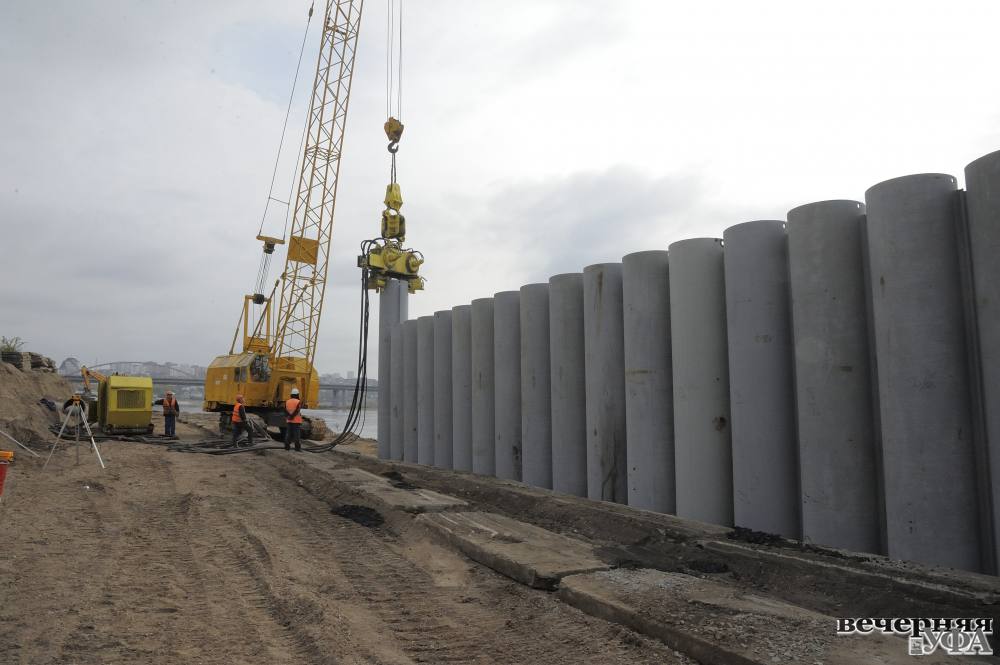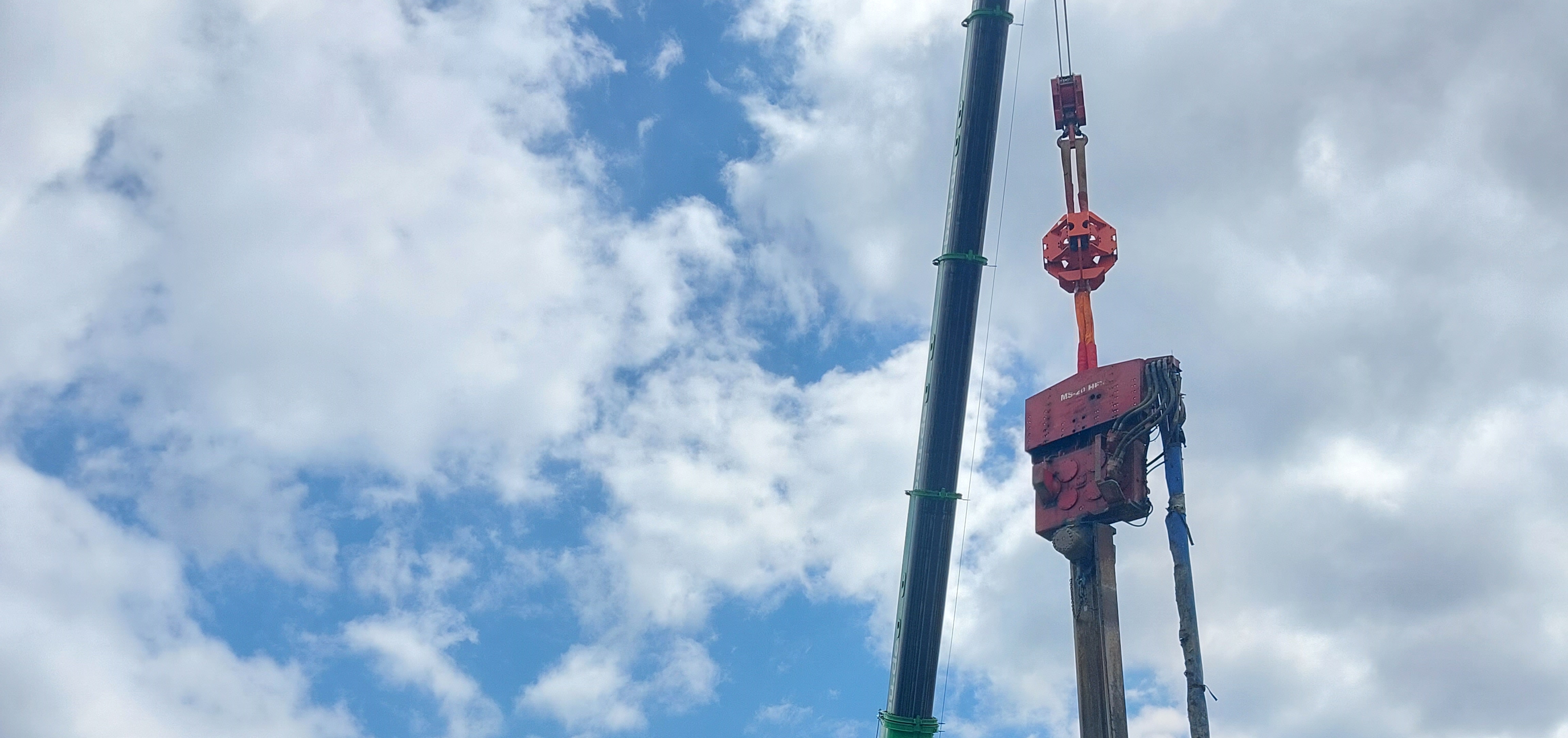

Pile driving in construction plays a crucial role in modern foundations, especially for projects that require deep foundations and strong structural stability. From bridges and ports to commercial buildings and marine structures, pile installation ensures that structures remain secure even in challenging soil conditions. However, contractors often face several obstacles during pile driving operations that can affect efficiency, pile driving safety, and project timelines.
Understanding these challenges and knowing how to solve them can help construction teams improve performance, reduce delays, and maintain project quality. With the right equipment, planning, and techniques, most pile driving problems can be addressed effectively.
Understanding the Importance of Proper Pile Driving Equipment
The foundation of successful pile installation begins with selecting the right equipment. Contractors rely on advanced machinery such as impact hammers, hydraulic systems, and vibratory drivers to install piles efficiently.
Modern machines are designed to handle different soil types, project requirements, and structural loads. Choosing the wrong equipment can lead to installation delays, structural problems, or unnecessary equipment wear.
To better understand the machines used in these projects, contractors can explore this detailed pile driving equipment guide which explains the different types of equipment used in foundation construction.
Proper equipment selection helps ensure:
- Faster installation times
- Improved accuracy
- Reduced equipment damage
- Better overall project safety
Difficult Soil Conditions
Difficult soil conditions are among the most frequent pile driving challenges in foundation projects. Each site may contain different soil layers such as clay, sand, gravel, or rock. Some soils provide easy penetration, while others resist pile installation.
Hard soil layers or dense materials can slow down the driving process and increase stress on equipment. In contrast, loose soil may cause piles to shift or misalign during installation.
Before starting construction, engineers must analyze soil conditions through geotechnical testing. Understanding the ground composition and pile driving in difficult soil conditions solutions helps contractors select the correct driving technique and equipment.
For a deeper explanation of how soil affects pile installation, this guide on soil conditions and pile driving provides valuable insights into the relationship between ground conditions and foundation stability.
Solutions for Soil Challenges
Contractors typically solve soil-related problems by:
- Performing detailed soil analysis before construction
- Using specialized hammers for dense soil layers
- Adjusting pile design based on soil resistance
- Using pre-drilling techniques when necessary
Proper planning significantly reduces risks associated with unpredictable ground conditions.
Excessive Noise and Vibration
Pile driving is known for producing loud noise and strong vibrations. These effects can be problematic, especially in urban construction zones or near sensitive structures.
High vibration levels can disturb nearby buildings, utilities, and residents. Noise restrictions in many cities also require contractors to limit sound levels during construction operations.
Many companies now use advanced technologies to minimize these impacts. Modern equipment can reduce vibration levels while maintaining efficient pile installation.
If you're interested in how vibration is controlled, our guide on vibration monitoring pile driving safety explains how monitoring systems help maintain safe levels during pile driving operations.
How Contractors Reduce Noise and Vibration
Construction teams use several strategies to address this challenge:
- Using vibratory hammers instead of impact hammers
- Installing vibration dampers
- Monitoring ground vibration with sensors
- Adjusting driving speeds to reduce shock impact
These methods allow contractors to meet environmental regulations while maintaining productivity.
Equipment Wear and Maintenance
Pile driving machines operate under extreme stress. Continuous heavy impacts, vibrations, and pressure can cause equipment components to wear out quickly.
Without proper maintenance, equipment failure can lead to project delays and expensive repairs.
Routine inspection and maintenance are essential for keeping machines operating efficiently. Hydraulic systems, hammer components, and clamps must be checked regularly to ensure safe operation.
Contractors looking for best practices can learn more from this guide on maintaining pile driving equipment which outlines proper maintenance procedures and inspection routines.
Preventing Equipment Breakdowns
Maintenance programs often include:
- Daily equipment inspections
- Lubrication of moving parts
- Monitoring hydraulic pressure systems
- Replacing worn components before failure
Preventive maintenance not only extends equipment lifespan but also improves job site safety.
Selecting the Right Pile Driving Method
Different projects require different pile driving techniques. For example, marine construction, bridge foundations, and urban building projects may all require unique installation methods.
Using the wrong pile driver can lead to slow installation speeds, increased noise, and structural issues.
Contractors must carefully evaluate project requirements before choosing equipment. Factors such as soil conditions, pile material, and environmental regulations all influence equipment selection.
For contractors trying to determine which system works best, this article on choosing the right pile driver explains how to match equipment with specific project needs.
Common Pile Driving Methods
The most widely used pile installation techniques include:
- Impact hammer pile driving
- Vibratory pile installation
- Hydraulic press-in methods
- Vibro technology systems
Each method offers unique advantages depending on the construction environment.
Project Delays and Cost Overruns
Construction projects operate under tight deadlines and budgets. Delays during pile driving can impact the entire construction timeline.
Common causes of delays include:
- Equipment breakdowns
- Poor site preparation
- Unexpected soil conditions
- Weather disruptions
When delays occur, costs quickly increase due to labor expenses, equipment rentals, and schedule changes.
To understand how delays affect foundation work, contractors can read this article about how project timelines delays impact pile driving costs.
Strategies to Avoid Delays
Successful construction teams minimize delays by:
- Conducting detailed project planning
- Scheduling equipment maintenance
- Preparing backup equipment when possible
- Monitoring installation progress daily
These strategies help ensure smooth project execution.
The Role of Modern Technology in Pile Driving
Modern technology in pile driving operations has significantly improved foundation work over the past decade. Advanced monitoring systems, automated controls, and GPS guidance now help contractors achieve greater accuracy and efficiency.
Modern construction equipment can measure vibration levels, installation depth, and pile alignment in real time. These innovations allow operators to adjust driving parameters immediately when conditions change.
Automation also reduces human error and improves overall job site safety.
To see how automation is changing the industry, explore the impact of GPS in pile driving automated pile installation for more accurate results.
Benefits of Technology Integration
New technologies provide several advantages:
- Increased installation accuracy
- Reduced environmental impact
- Faster construction timelines
- Improved safety monitoring
These innovations are helping the construction industry build stronger and more reliable foundations.
Best Practices for Successful Pile Driving Projects
Successful pile driving projects require careful planning, skilled operators, and reliable equipment. Contractors who follow best practices can minimize risks and complete projects more efficiently.
Some key practices include:
- Conducting thorough site assessments
- Selecting the correct equipment for soil conditions
- Implementing strict maintenance schedules
- Monitoring vibration and environmental impact
Construction teams that focus on these principles are more likely to deliver projects on time and within budget.
Final Thoughts
Pile driving is a critical process in modern foundation construction, but it comes with several technical challenges. From difficult soil conditions to equipment wear and environmental concerns, contractors must be prepared to address multiple obstacles during installation.
By using the right equipment, implementing modern technologies, and following proper maintenance and monitoring practices, construction teams can overcome these challenges successfully.
As technology evolves, contractors will gain access to advanced pile driving equipment for sale and smarter vibro technology solutions for foundation work that improve productivity.
1. What are the most common pile driving challenges faced by contractors?
Answer: The most frequent pile driving challenges include dealing with difficult soil conditions (like rock or loose sand), managing excessive noise and vibration in urban areas, and preventing equipment wear due to high-impact pile driving operations.
2. How can pile driving safety be improved on a job site?
Answer: Pile driving safety is improved through rigorous geotechnical testing, consistent equipment maintenance, and the use of vibration monitoring pile driving safety systems. These protocols ensure that both the machinery and the surrounding structures remain secure during installation.
3. What are the best pile driving in difficult soil conditions solutions?
Answer: Effective pile driving in difficult soil conditions solutions involve performing a detailed soil analysis before construction and using specialized machinery, such as vibratory hammers for dense layers or pre-drilling techniques when necessary to ensure proper penetration.
4. How does modern technology in pile driving operations reduce project delays?
Answer: Modern technology in pile driving operations, such as GPS in pile driving automated pile installation, allows for real-time tracking of alignment and depth. This precision reduces human error and equipment breakdowns, helping to avoid costly project delays and budget overruns.
5. Where can I find advanced pile driving equipment for sale and rental?
Answer: Pile Driving USA products and services provide a comprehensive range of advanced pile driving equipment for sale and rental. Our inventory includes vibro technology solutions for foundation work designed to meet the specific technical and environmental demands of modern construction projects.