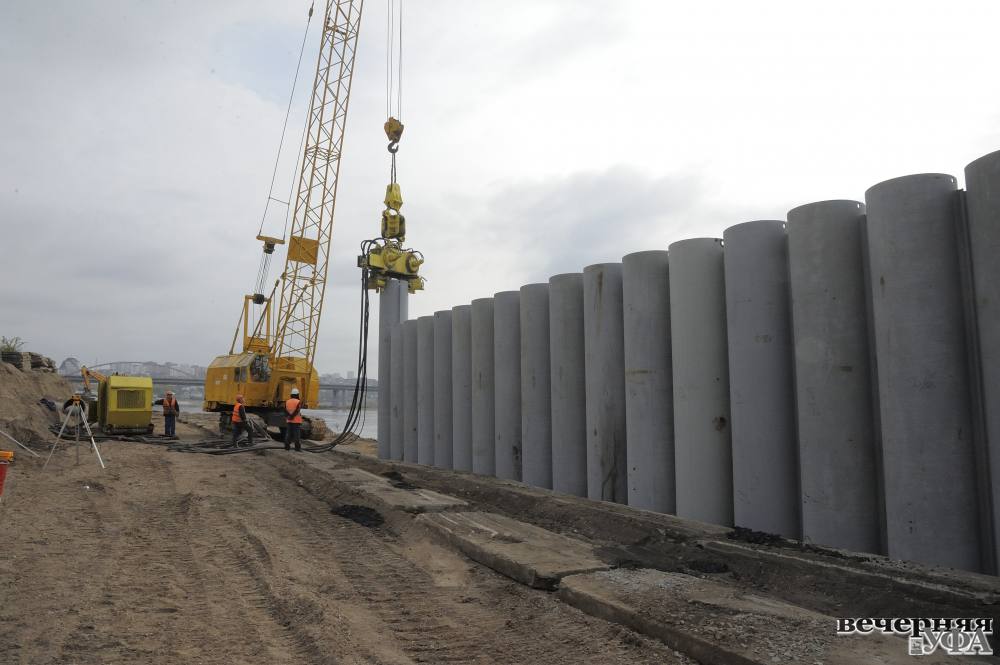

Pile driving projects require far more than simply bringing equipment to the jobsite and beginning installation. Successful deep foundation work depends heavily on proper site preparation before the first pile is ever driven into the ground.
Construction companies working on commercial buildings, bridges, marine structures, industrial facilities, highways, and energy infrastructure understand that inadequate preparation can quickly lead to:
- Project delays
- Equipment inefficiencies
- Safety risks
- Foundation instability
- Increased operational costs
Modern pile driving operations rely on careful planning, accurate soil evaluation, efficient equipment staging, and coordinated jobsite logistics to achieve maximum productivity.
Whether using hydraulic pile drivers, vibratory hammers, or advanced automated systems, site preparation plays a major role in determining how smoothly the project progresses.
Why Site Preparation Matters in Pile Driving
Pile driving equipment operates under intense force and demanding ground conditions. Without proper preparation, even advanced machinery can experience unnecessary stress and operational inefficiencies.
Site preparation helps contractors:
- Improve installation accuracy
- Reduce equipment downtime
- Enhance crew safety
- Minimize soil instability
- Prevent costly interruptions
Projects that begin with detailed planning typically experience fewer complications during foundation installation.
Contractors often pair site planning efforts with insights from:
- pile driving equipment guide
- pile driving deep foundations guide
Soil Evaluation Is the Foundation of Every Project
Understanding soil conditions is one of the most important aspects of pile driving preparation.
Different soil types affect:
- Pile penetration resistance
- Equipment selection
- Installation speed
- Foundation stability
- Vibration behavior
Before construction begins, geotechnical analysis helps determine:
- Soil density
- Groundwater levels
- Rock depth
- Bearing capacity
- Potential obstructions
Without accurate soil data, contractors may face:
- Refusal issues
- Misaligned piles
- Structural instability
- Excessive vibration problems
Companies evaluating site conditions frequently review soil conditions and pile driving.
Choosing the Right Equipment Before Mobilization
Different pile driving projects require different equipment configurations.
Preparation includes determining whether the project requires:
- Hydraulic pile drivers
- Vibratory hammers
- Impact hammers
- Hydraulic power packs
- Crane-mounted systems
Selecting the correct equipment before mobilization helps avoid:
- Transportation delays
- Improper machine sizing
- Reduced productivity
- Excess fuel consumption
Contractors often compare equipment solutions through:
- choosing the right pile driver
- hydraulic vs vibratory pile drivers
Access Roads and Equipment Staging Areas Matter
Heavy pile driving equipment requires stable access routes and sufficient working space.
Improper access planning can create:
- Equipment transport delays
- Ground instability
- Crane positioning issues
- Unsafe operating conditions
Preparation teams should evaluate:
- Ground compaction
- Drainage conditions
- Truck access routes
- Crane swing clearance
- Material storage locations
Well-planned staging areas improve:
- Crew coordination
- Fuel efficiency
- Equipment movement
- Project timelines
Utility Identification Prevents Major Delays
Underground utilities present serious risks during pile driving projects.
Before installation begins, crews must identify:
- Electrical lines
- Water systems
- Gas pipelines
- Telecommunications infrastructure
- Existing underground foundations
Accidental utility damage can result in:
- Jobsite shutdowns
- Safety hazards
- Expensive repairs
- Permit complications
Site preparation teams typically coordinate with utility locating services to reduce these risks before equipment mobilization.
Weather Planning Improves Operational Efficiency
Weather conditions significantly affect pile driving operations.
Rain, freezing temperatures, high winds, and flooding can create:
- Soil instability
- Reduced equipment performance
- Safety hazards
- Delayed project schedules
Projects in colder regions especially require additional preparation for:
- Frozen ground
- Hydraulic system protection
- Equipment lubrication
- Worker safety protocols
Cold-weather contractors often reference pile driving cold weather winter tips.
Vibration Management Should Start Before Installation
Pile driving operations can generate significant vibration, especially in urban environments.
Proper preparation helps contractors reduce vibration-related risks near:
- Existing buildings
- Utilities
- Transportation systems
- Residential areas
Pre-project vibration planning may include:
- Baseline monitoring
- Structural surveys
- Equipment adjustments
- Dampening system installation
Companies focused on vibration control often explore:
- vibration monitoring pile driving safety
- how vibration dampers improve pile driving efficiency and safety
Crew Coordination Improves Productivity
Efficient pile driving operations depend heavily on communication between:
- Operators
- Crane crews
- Survey teams
- Engineers
- Safety personnel
Pre-construction coordination meetings help crews:
- Understand installation sequences
- Identify hazards
- Clarify equipment responsibilities
- Improve scheduling efficiency
Strong communication reduces:
- Equipment idle time
- Misalignment issues
- Safety incidents
- Installation delays
Modern Technology Supports Better Site Preparation
Advanced technology has improved project planning for modern pile driving operations.
Contractors now use:
- GPS layout systems
- Automated positioning tools
- Digital project mapping
- Real-time monitoring systems
These technologies improve:
- Installation precision
- Jobsite coordination
- Equipment tracking
- Data collection
Technology-focused contractors often review GPS in pile driving automated pile installation modern pile driving technology.
Equipment Inspections Reduce Unexpected Downtime
Equipment reliability is critical for maintaining project schedules.
Before mobilization, contractors should inspect:
- Hydraulic systems
- Vibratory components
- Hoses and fittings
- Crane connections
- Power packs
- Wear components
Preventive maintenance helps avoid:
- Hydraulic failures
- Unexpected shutdowns
- Reduced hammer efficiency
- Project delays
Maintenance planning is often supported by:
- maintaining pile driving equipment
- hydraulic power pack selection
Urban Projects Require Additional Planning
Pile driving in populated areas introduces additional challenges.
Urban construction projects often involve:
- Noise restrictions
- Limited space
- Traffic management
- Environmental compliance
- Nearby structures
Contractors working in dense environments increasingly use quieter and lower-vibration technologies.
Urban-focused projects often benefit from:
- modern vibratory hammers urban pile driving
- quiet pile driving USA
Environmental Planning Supports Compliance
Environmental regulations continue influencing pile driving operations across the United States.
Site preparation now frequently includes:
- Sediment control planning
- Noise mitigation strategies
- Water protection measures
- Emission reduction efforts
Environmentally responsible construction practices help reduce:
- Regulatory violations
- Community complaints
- Environmental damage
- Project interruptions
Contractors committed to sustainable operations often reference:
- environmental best practices pile driving
- advancements in sustainable pile driving eco-friendly solutions for the future
Scheduling Coordination Prevents Cost Overruns
Poor scheduling is one of the most common causes of pile driving delays.
Preparation teams must coordinate:
- Material deliveries
- Crane availability
- Crew scheduling
- Equipment transport
- Inspection timelines
Delays in one area can quickly affect the entire project schedule.
Construction teams managing large foundation projects often review how project timelines delays impact pile driving costs.
Proper Site Preparation Enhances Safety
Safety is one of the most important benefits of thorough preparation.
Well-organized jobsites reduce risks related to:
- Equipment collisions
- Ground instability
- Falling materials
- Hydraulic failures
- Crew miscommunication
Preparation should include:
- Emergency planning
- Safety zone marking
- Equipment inspection protocols
- Crew training verification
Companies emphasizing safe operations frequently review:
- top 5 safety practices for pile driving crews
- maximizing pile driving efficiency safety
Long-Term Foundation Performance Starts Early
The long-term success of any structure depends heavily on the quality of its foundation system.
Poor preparation can lead to:
- Uneven settlement
- Reduced pile capacity
- Structural instability
- Costly repairs
Careful planning improves:
- Pile alignment
- Load distribution
- Structural reliability
- Foundation durability
Foundation-focused contractors often explore pile driving foundation stability.
Final Thoughts
Proper site preparation is one of the most important factors in successful pile driving operations. From soil evaluation and equipment selection to vibration control, scheduling, and safety planning, preparation directly affects project efficiency and long-term foundation performance.As pile driving technology continues evolving, contractors who prioritize detailed planning and proactive jobsite management will be better equipped to reduce delays, improve productivity, and complete projects safely and efficiently.Modern foundation construction depends not only on powerful equipment, but also on strategic preparation that supports every stage of the pile installation process.