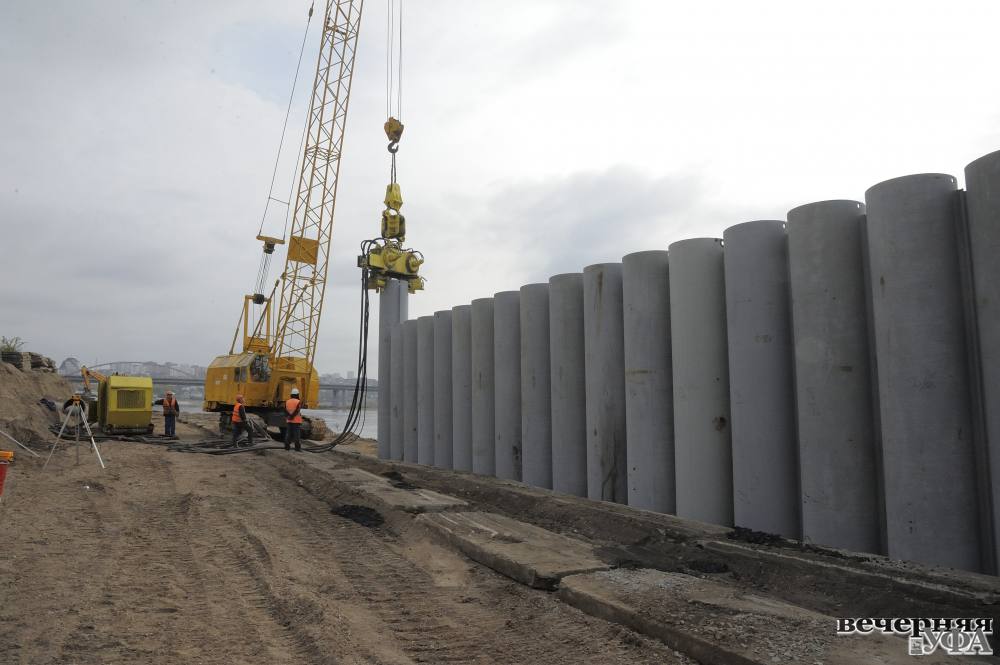

Pile driving plays a critical role in modern construction, especially for projects requiring strong and stable deep foundations. From bridges and marine structures to commercial buildings and infrastructure developments, pile driving systems help transfer structural loads safely into the ground.
However, successful pile installation depends on much more than simply operating heavy equipment. Proper planning is one of the most important factors influencing project efficiency, foundation performance, safety, and long-term structural stability.
Without a clear pile driving strategy, contractors may face delays, soil complications, equipment issues, increased costs, and structural risks. Careful planning helps construction teams select the right equipment, evaluate soil conditions, improve installation accuracy, and reduce unnecessary downtime.
This article explores how effective pile driving planning contributes to successful foundation projects and why preparation remains essential in modern construction operations.
Why Pile Driving Is Essential in Modern Construction
Pile driving is used when surface soil conditions cannot adequately support structural loads.
Deep foundation systems help:
- Transfer loads to stable soil or rock layers
- Improve foundation stability
- Prevent settlement issues
- Support heavy structures in difficult environments
Pile driving is commonly used for:
- Commercial buildings
- Bridges
- Marine construction
- Industrial facilities
- Transportation infrastructure
- Coastal developments
The article on pile driving foundation stability explains how pile systems strengthen structural performance in demanding environments.
Why Planning Matters Before Pile Installation Begins
Pile driving projects involve multiple variables that can significantly impact performance and timelines.
Without proper planning, contractors may encounter:
- Incorrect equipment selection
- Soil instability issues
- Excessive vibration problems
- Delays caused by equipment failure
- Increased labor and fuel costs
Planning allows construction teams to identify risks early and improve coordination between engineers, operators, and project managers.
Evaluating Soil Conditions Before Pile Driving
Soil analysis is one of the first and most important steps in pile driving preparation.
Different soil types affect:
- Pile penetration rates
- Equipment requirements
- Vibration levels
- Foundation capacity
Common soil conditions include:
- Clay
- Sand
- Gravel
- Rock
- Saturated or loose soils
Understanding ground conditions helps contractors choose the right installation methods and avoid unnecessary complications. More insights can be found in soil conditions and pile driving.
Choosing the Right Pile Driving Equipment
Equipment selection has a direct impact on installation speed, efficiency, and project safety.
The wrong equipment can result in:
- Reduced productivity
- Equipment strain
- Excessive vibration
- Poor pile alignment
- Increased maintenance costs
Key factors to consider include:
Project Size
Large infrastructure projects often require high-capacity systems capable of handling heavy loads and long piles.
Soil Conditions
Harder soils may require hydraulic hammers, while softer soils may benefit from vibratory systems.
Environmental Restrictions
Urban and environmentally sensitive areas may require low-noise or low-vibration solutions.
The guides on choosing the right pile driver provide additional information on equipment selection strategies.
Understanding Vibratory and Hydraulic Systems
Modern pile driving projects often rely on vibratory or hydraulic hammer systems depending on installation requirements.
Vibratory Hammers
Vibratory systems use high-frequency vibrations to reduce soil resistance and drive piles efficiently.
Advantages include:
- Faster installation speeds
- Reduced noise in some conditions
- Lower impact stress on piles
The article on vibratory hammer installation speed discusses how vibratory systems improve productivity.
Hydraulic Hammers
Hydraulic hammers deliver repeated impact force for pile installation in dense or difficult ground conditions.
Benefits include:
- Strong driving force
- Better performance in hard soils
- High durability for demanding projects
Choosing between these systems depends on project goals, environmental conditions, and soil analysis.
How Planning Reduces Project Delays
Construction delays are expensive and often difficult to recover from.
Poor pile driving preparation can lead to:
- Equipment downtime
- Material delivery issues
- Rework caused by inaccurate installation
- Safety incidents
Strategic planning helps contractors:
- Coordinate schedules effectively
- Ensure equipment availability
- Minimize idle time
- Improve crew productivity
The article on how project timelines delays impact pile driving costs explains the financial impact of scheduling inefficiencies.
The Role of Safety in Pile Driving Planning
Pile driving environments involve heavy machinery, high-pressure hydraulic systems, suspended loads, and vibration hazards.
Safety planning should include:
- Site hazard assessments
- Equipment inspections
- Operator training
- Communication protocols
- Vibration monitoring
Modern projects increasingly rely on vibration analysis to protect nearby structures and maintain compliance.
Learn more in vibration monitoring pile driving safety.
Why Equipment Maintenance Must Be Part of the Plan
Equipment reliability directly affects project efficiency.
Unexpected breakdowns can:
- Delay installation schedules
- Increase labor costs
- Disrupt material deliveries
- Create safety risks
Preventive maintenance programs help reduce these issues by identifying wear and servicing needs before failures occur.
Important maintenance areas include:
- Hydraulic systems
- Vibratory mechanisms
- Hoses and fittings
- Power packs
- Structural components
Contractors can improve equipment reliability using recommendations from maintaining pile driving equipment .
Hydraulic Power Pack Selection and Performance
Hydraulic power packs are critical components in many pile driving systems.
The wrong power pack configuration can reduce:
- Installation efficiency
- Hydraulic performance
- Equipment lifespan
Proper selection depends on:
- Equipment size
- Hydraulic flow requirements
- Project duration
- Environmental conditions
Additional insights are available in hydraulic power pack selection.
Urban Construction and Quiet Pile Driving Solutions
Urban construction projects often face strict noise and vibration restrictions.
Modern planning strategies help contractors minimize disruption while maintaining productivity.
Solutions include:
- Vibratory systems with reduced noise output
- Vibration dampers
- Advanced monitoring systems
- Strategic scheduling
The articles quiet pile driving USA discuss how contractors adapt pile driving operations for urban environments.
Technology and Modern Pile Driving Efficiency
Technology is transforming the pile driving industry by improving precision, safety, and efficiency.
GPS and Automated Systems
Modern systems use GPS and automated controls to:
- Improve pile placement accuracy
- Reduce operator error
- Track installation progress in real time
Learn more in GPS in pile driving automated pile installation modern pile driving technology .
Vibration Dampers and Monitoring
Advanced vibration control systems improve:
- Operator comfort
- Nearby structure protection
- Environmental compliance
Environmental Planning in Pile Driving Projects
Sustainability is becoming increasingly important in construction operations.
Modern pile driving planning includes:
- Noise reduction strategies
- Fuel efficiency improvements
- Reduced environmental disturbance
- Responsible site management
Contractors adopting environmentally responsible practices can improve compliance and reduce community concerns.
Weather and Seasonal Planning Challenges
Weather conditions significantly affect pile driving operations.
Cold weather may cause:
- Hydraulic fluid issues
- Frozen ground complications
- Reduced equipment efficiency
Proper planning helps crews prepare equipment and schedules for seasonal challenges.The article on pile driving cold weather winter tips explains how contractors maintain productivity during harsh conditions.
Long-Term Benefits of Strategic Planning
Effective pile driving planning creates long-term advantages beyond immediate project completion.
Benefits include:
- Improved foundation quality
- Reduced maintenance costs
- Better project profitability
- Increased equipment lifespan
- Safer jobsite operations
Well-planned projects are also more likely to meet deadlines and stay within budget.
Future Trends in Pile Driving Operations
The pile driving industry continues evolving with new technologies and smarter equipment systems.
Emerging trends include:
- Automated pile driving systems
- Advanced vibration control
- Remote equipment diagnostics
- Fuel-efficient hydraulic systems
- AI-assisted project monitoring
Contractors who embrace modern planning strategies and equipment technologies will be better prepared for future construction demands.
Final Thoughts
Pile driving success begins long before equipment arrives on the jobsite. Strategic planning helps contractors improve efficiency, reduce delays, enhance safety, and achieve stronger foundation performance.From soil analysis and equipment selection to vibration monitoring and preventive maintenance, every stage of preparation contributes to smoother operations and better project outcomes.As construction projects become more complex and demanding, proper pile driving planning will continue playing a vital role in delivering reliable, cost-effective, and structurally sound foundation systems.