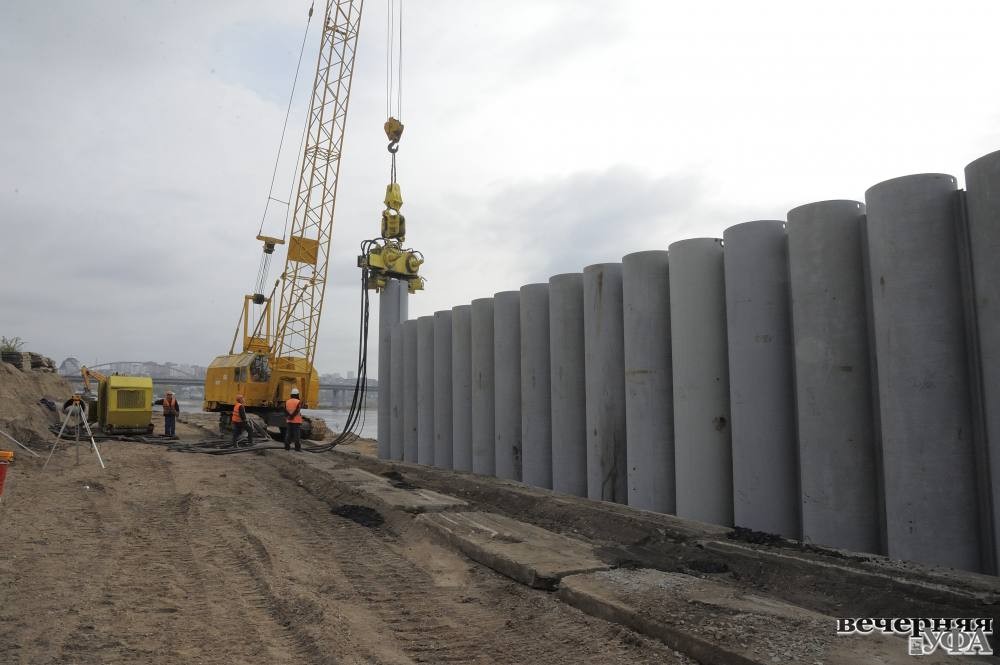


Pile driving in an urban environment involves a challenge that goes well beyond the technical work of installing foundation piles. It means navigating local noise ordinances, securing the right permits, and managing relationships with neighbors who never chose to live next to an active construction site. Getting the engineering right is only part of a successful urban project. Getting the regulatory and community side right determines whether that project proceeds smoothly or runs into delays that have nothing to do with the actual pile driving work itself, delays that can prove just as costly, and sometimes more disruptive to a project schedule, than any equipment or engineering challenge the crew might otherwise face.
This article covers why noise ordinances exist and vary by jurisdiction, what typical requirements involve, and how proactive community relations protect a project's timeline just as much as proper equipment selection does.
Why Noise Ordinances Exist and Vary So Much
Local noise ordinances exist to balance the legitimate need for construction activity against the equally legitimate expectation that residents and businesses near a job site can go about daily life without excessive, prolonged disruption. Because this balance depends heavily on local context, population density, existing land use patterns, and community expectations, noise ordinance requirements vary considerably from one jurisdiction to the next. A set of requirements that works fine in one municipality may be considerably stricter, or structured differently, just a few miles away in a neighboring jurisdiction.
This variation means project teams cannot assume a compliance approach that worked on a previous job will automatically satisfy requirements on a new project, even one in a similar general location. Confirming the specific ordinance requirements for each project's actual jurisdiction, rather than assuming based on past experience, is a necessary first step before construction planning goes much further.
Typical Ordinance Requirements
While specifics vary, most urban noise ordinances address a similar set of core issues. Permitted work hours restrict when high-noise activity like pile driving can occur, often limiting work to daytime hours on weekdays with tighter restrictions or complete prohibition on evenings, nights, and weekends. Decibel limits set maximum allowable noise levels measured at a specified distance from the source, often varying by time of day and by the zoning classification of nearby property. Some jurisdictions also require vibration monitoring as part of compliance, particularly for projects near sensitive structures where vibration, not just airborne noise, represents a real concern.
Understanding these requirements in detail before construction begins, rather than discovering a specific limitation mid-project, protects against the kind of stop-work order or violation that can halt progress entirely while compliance issues get resolved.
How Equipment Choice Affects Compliance
Equipment selection plays a direct role in noise ordinance compliance, and this is exactly where technology choices intersect with regulatory requirements. Our article on quiet pile driving in the USA covers how modern equipment and technique reduce noise output compared to older methods, and this reduction can be the difference between a project that comfortably meets local decibel limits and one that struggles to stay compliant regardless of how carefully work hours are managed.
Our guide on modern vibratory hammers for urban pile driving covers equipment specifically suited to these constrained, noise-sensitive environments, and selecting equipment with compliance requirements in mind from the earliest planning stages, rather than defaulting to whatever equipment is most readily available, meaningfully reduces the risk of ordinance violations once work is underway.
Vibration Monitoring as Both Compliance and Relationship Tool
Vibration monitoring serves a dual purpose on urban projects near existing structures. Our article on vibration monitoring for pile driving safety covers the technical and safety rationale behind this practice, and it carries real community relations value as well. Sharing vibration monitoring data with concerned neighbors, particularly those in structures immediately adjacent to the work, demonstrates that the project team is taking their concerns seriously and actively managing the risk their property may be exposed to, rather than dismissing those concerns as an inconvenience to project progress.
This kind of transparency often does more to defuse neighbor complaints than any amount of technical explanation about why the work is safe, since data-backed reassurance carries more weight than assurances alone.
Pre-Construction Community Outreach
Proactive outreach before pile driving begins sets expectations and often prevents complaints that would otherwise surface reactively once work is already underway. Notifying nearby residents and businesses of the project timeline, expected work hours, and what kind of noise and activity they should anticipate gives the community a chance to plan around the disruption rather than being caught off guard by it. Providing a direct point of contact for questions or concerns, rather than leaving neighbors to escalate complaints straight to code enforcement or local officials, keeps communication channels open and often resolves minor issues before they become formal complaints.
This kind of outreach costs relatively little time and effort compared to the disruption a wave of formal noise complaints can cause once a project is already underway, particularly if those complaints prompt closer regulatory scrutiny than the project would otherwise have faced.
Managing Complaints During Active Construction
Even well-planned projects with proper permitting and proactive outreach sometimes generate complaints once work is actually underway, and how a project team responds matters considerably. Taking complaints seriously, investigating whether the project is genuinely exceeding permitted limits or simply generating expected, compliant noise that a neighbor finds disruptive regardless, and communicating that response back to the person who raised the concern all help manage the situation before it escalates into a formal regulatory issue.
Ignoring complaints, or responding defensively rather than investigating them genuinely, tends to escalate tension and can prompt neighbors to pursue more formal channels, inspections, code enforcement involvement, or direct appeals to local officials, that create real project risk beyond the original complaint itself.
Environmental Compliance Overlap
Noise and vibration requirements often overlap with broader environmental compliance considerations on a project. Our article on environmental best practices for pile driving covers this wider compliance picture, and treating noise ordinance compliance as part of that same integrated environmental and regulatory planning process, rather than a separate, isolated requirement, helps project teams avoid gaps where one compliance area gets attention while another is overlooked.
Why Compliance Failures Affect Timelines and Costs
Noise ordinance violations carry consequences well beyond the direct fine or penalty involved. Our article on how project timelines and delays impact pile driving costs covers how schedule disruption ripples through a project's overall cost, and a stop-work order or forced schedule change resulting from a noise violation creates exactly this kind of costly delay, one that proper upfront planning could have avoided entirely.
Documentation That Protects the Project
Keeping thorough records throughout an urban project protects against disputes and supports compliance in ways that become especially valuable if a complaint or violation claim does arise. Logging actual work hours against permitted hours, maintaining decibel and vibration monitoring records with timestamps, and documenting community outreach efforts, including notices sent and any direct communication with concerned neighbors, all create a clear record that a project team can point to if a dispute develops.
This documentation matters most when a complaint turns out to be unfounded, work that was actually fully compliant but drew a complaint anyway from a neighbor unfamiliar with what permitted activity actually allows. Having clear records ready to demonstrate compliance resolves these situations far more quickly than trying to reconstruct a timeline or gather evidence after the fact, once a formal complaint or inquiry has already been filed with local authorities.
Building Compliance Into Project Planning From the Start
Treating noise ordinance research, equipment selection with compliance in mind, and community outreach planning as core parts of initial project planning, rather than considerations addressed only after complaints or violations arise, protects a project's timeline and budget just as effectively as sound engineering does. Our top 5 safety practices for pile driving crews covers operational safety fundamentals that matter regardless of project location, and urban projects specifically benefit from adding regulatory and community planning to that same upfront preparation checklist.
Final Thoughts
Successful urban pile driving projects manage two parallel challenges: the technical work of installing foundation piles correctly, and the regulatory and community relations work of doing so within noise ordinance requirements while maintaining reasonable relationships with neighbors who did not choose to live next to a construction site. Understanding local ordinance requirements in detail, selecting equipment suited to noise-sensitive environments, and investing in proactive community outreach before problems arise all protect a project's timeline in ways that are just as important as the pile driving technique itself. A project that gets the engineering right but ignores this side of the work still risks costly delays that proper planning could have avoided entirely.