
Foundation construction is one of the most critical stages of any large-scale infrastructure project. Whether supporting bridges, marine structures, commercial buildings, highways, or industrial developments, deep foundation systems provide the stability needed for long-term structural performance.
As construction demands continue increasing, contractors are adopting advanced pile driving technologies that improve installation accuracy, reduce environmental impact, and accelerate project timelines. Modern pile driving equipment now integrates advanced hydraulics, vibration control systems, automated monitoring, and GPS-assisted positioning to handle increasingly complex jobsite conditions.These innovations are transforming how deep foundations are installed across the construction industry.
Companies managing large infrastructure projects often rely on advanced pile driving equipment for construction foundations because modern systems improve productivity while reducing operational risks.
Why Deep Foundations Matter
Deep foundations are designed to transfer structural loads into stable soil or rock layers beneath the surface. They are essential when surface soils cannot adequately support the weight of a structure.
Pile foundations are commonly used in:
- Bridges
- High-rise buildings
- Ports and marine structures
- Industrial facilities
- Highway infrastructure
- Renewable energy projects
Contractors working on complex infrastructure projects often follow proven <a href="https://piledrivingusa.com/blog/pile-driving-deep-foundations-guide">deep foundation pile driving strategies</a> to ensure long-term structural stability.
Without properly installed foundations, structures may experience settlement, instability, or structural failure over time.
Evolution of Modern Pile Driving Technology
Pile driving technology has advanced significantly over the last decade. Traditional impact hammers are now complemented by sophisticated hydraulic systems, vibratory equipment, and automated controls that improve precision and efficiency.
Modern systems now include:
- GPS-guided positioning
- Real-time vibration monitoring
- Noise reduction technology
- Automated hydraulic controls
- Advanced pile alignment systems
Many contractors exploring innovations in pile driving technology are adopting digital monitoring tools to improve installation accuracy and reduce project delays.
These advancements are especially important in urban construction environments where precision and reduced disruption are critical.
Vibratory Hammers and Installation Efficiency
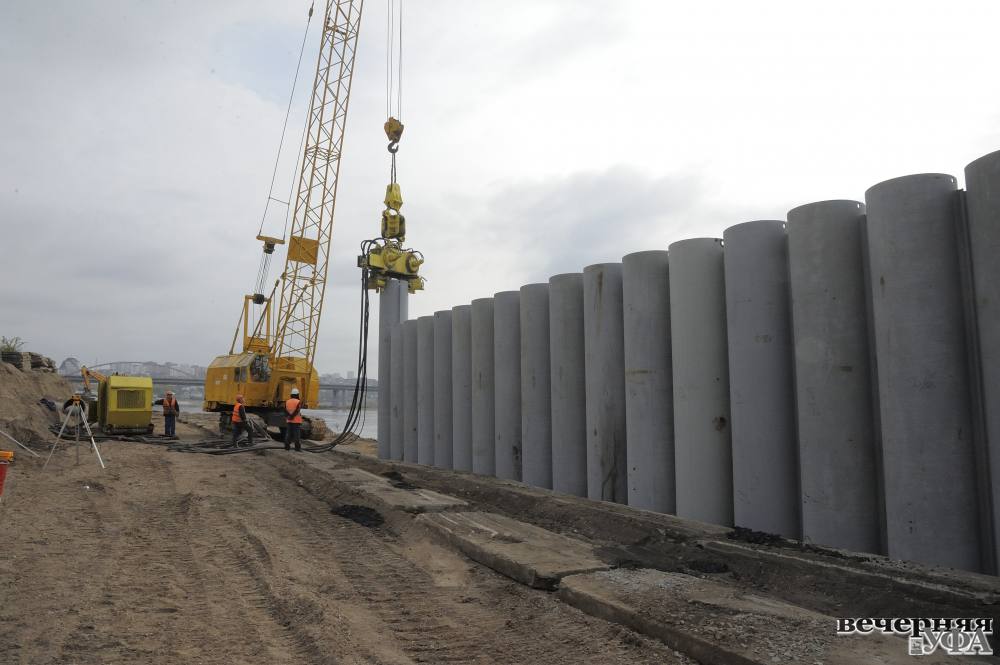
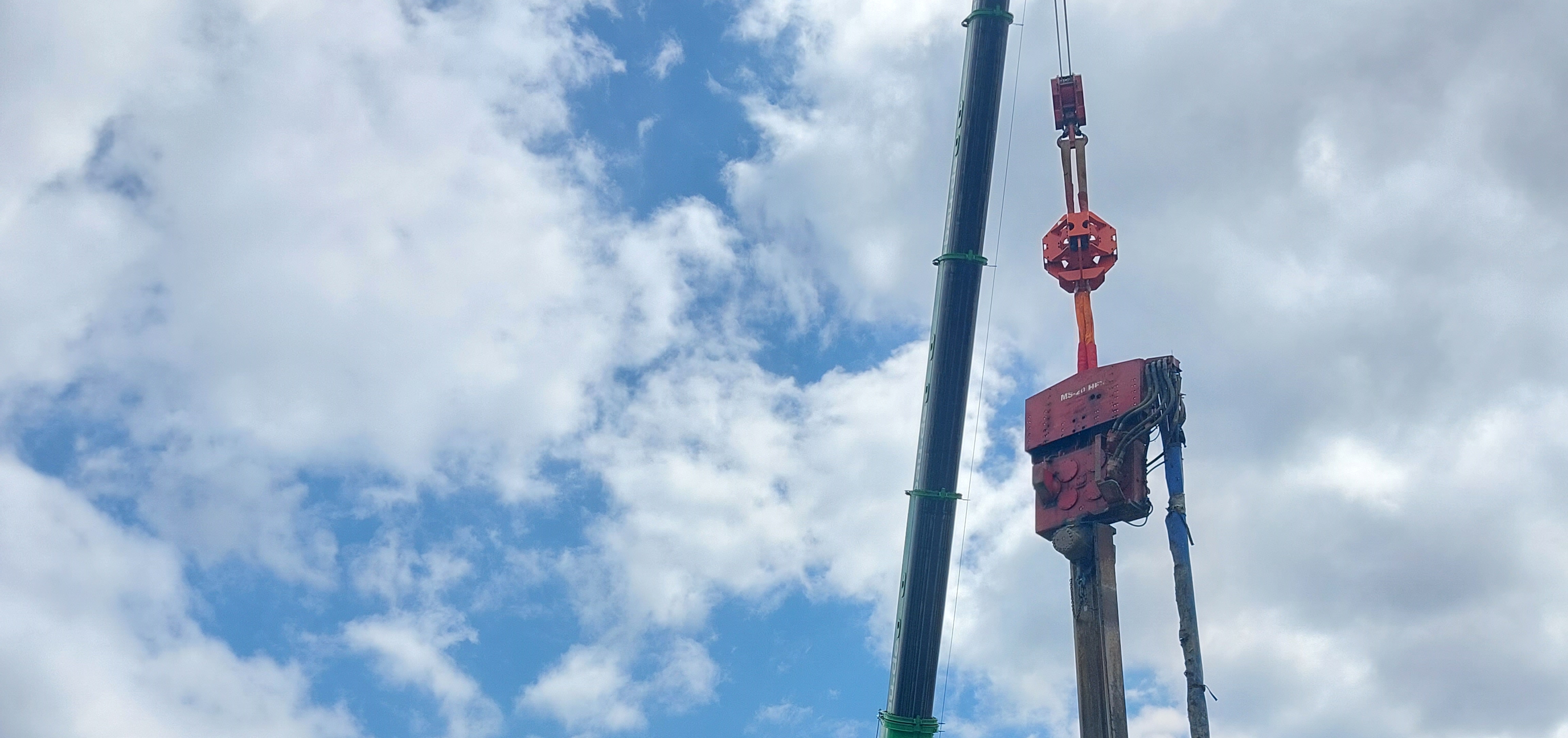
Vibratory hammers have become increasingly popular for modern foundation installation because they allow piles to penetrate soil using controlled vibrations rather than repeated impact blows.
Benefits of vibratory systems include:
- Faster installation speeds
- Reduced noise levels
- Lower vibration impact on nearby structures
- Improved efficiency in granular soils
Contractors frequently use modern vibratory hammers for projects requiring faster pile installation and reduced environmental disturbance.
These systems are widely used in marine construction, sheet piling, and urban infrastructure projects.
Hydraulic vs Vibratory Pile Drivers
Different foundation conditions require different pile driving systems.
Hydraulic pile drivers are often preferred for:
- High-impact driving force
- Dense soil conditions
- Large structural piles
Vibratory systems are commonly selected for:
- Faster installation
- Lower noise levels
- Sheet pile applications
- Sensitive urban environments
Construction teams comparing hydraulic vs vibratory pile drivers often evaluate soil conditions, environmental regulations, and project timelines before selecting equipment.Choosing the correct system significantly affects productivity and installation quality.
Soil Conditions and Foundation Performance
Soil composition plays a major role in pile driving operations. Different soil conditions require specific installation techniques and equipment configurations.
Common soil challenges include:
- Dense clay
- Loose sand
- Rocky formations
- Saturated soils
- Mixed ground conditions
Understanding soil conditions and pile driving performance helps contractors select proper hammer energy, pile type, and installation methods for each project.
Accurate soil analysis reduces equipment strain and improves foundation reliability.
GPS and Automated Pile Installation
GPS technology is becoming increasingly important in modern pile driving operations.
Automated positioning systems improve:
- Pile alignment accuracy
- Installation consistency
- Project documentation
- Productivity monitoring
Many contractors now integrate GPS-assisted pile driving technology into large infrastructure projects to reduce human error and improve installation precision. Digital systems also provide valuable project data for quality control and reporting.
Vibration Monitoring and Jobsite Safety
Pile driving operations generate vibrations that can affect nearby structures, utilities, and surrounding environments.
Modern monitoring systems help contractors track:
- Ground vibration levels
- Structural movement
- Equipment performance
- Environmental compliance
Urban construction projects often require advanced vibration monitoring for pile driving safety to protect nearby infrastructure and maintain regulatory compliance.Monitoring technology also improves worker safety by identifying abnormal operating conditions.
Noise Reduction and Quiet Pile Driving
Noise control has become increasingly important in urban construction and environmentally sensitive areas.
Modern pile driving equipment now incorporates:
- Noise dampening systems
- Vibratory installation methods
- Improved hydraulic controls
- Sound barrier technologies
Many contractors working in populated areas adopt quiet pile driving solutions to minimize disruption while maintaining productivity.Reducing construction noise helps improve community relations and regulatory compliance.
Sustainable Pile Driving Practices
Environmental sustainability is becoming a major focus in foundation construction.
Modern sustainable practices include:
- Reduced fuel consumption
- Lower noise pollution
- Improved vibration control
- Reduced material waste
- Efficient hydraulic systems
Companies implementing sustainable pile driving solutions are improving environmental performance while maintaining operational efficiency.Green construction initiatives continue driving demand for environmentally responsible foundation technologies.
Importance of Equipment Maintenance
Pile driving equipment operates under extreme stress and requires regular maintenance to ensure reliability.
Preventive maintenance programs help:
- Reduce equipment downtime
- Extend machinery lifespan
- Improve hydraulic performance
- Lower repair costs
Contractors managing high-production foundation projects often prioritize pile driving equipment maintenance to avoid unexpected breakdowns and project delays.
Routine inspections also improve jobsite safety and operational consistency.
Hydraulic Power Packs and System Performance
Hydraulic power systems are critical components of modern pile driving operations.
Power packs provide energy for:
- Vibratory hammers
- Hydraulic pile drivers
- Auxiliary equipment
- Automated controls
Selecting the proper system is important because hydraulic power pack selection directly affects operational efficiency and equipment reliability.
Improper hydraulic configuration can reduce performance and increase fuel consumption.
Common Pile Driving Challenges
Foundation projects often face operational challenges that affect timelines and costs.
Common issues include:
- Difficult soil conditions
- Equipment wear
- Vibration limitations
- Utility conflicts
- Weather delays
Contractors frequently develop strategies for handling common pile driving challenges to improve productivity and reduce project interruptions.Advanced planning and modern equipment help minimize many of these risks.
Weather and Seasonal Construction Conditions
Cold weather can significantly affect pile driving performance.
Winter conditions may create:
- Frozen ground
- Hydraulic fluid problems
- Reduced equipment efficiency
- Increased material stress
Construction crews working in colder climates often follow winter pile driving best practices to maintain productivity and protect equipment during extreme conditions.Proper seasonal preparation helps reduce downtime and improve operational reliability.
Future Trends in Pile Driving Technology
The future of pile driving is becoming increasingly automated, efficient, and environmentally focused.
Emerging technologies include:
- AI-assisted equipment monitoring
- Automated pile positioning systems
- Smart hydraulic controls
- Advanced noise reduction systems
- Predictive maintenance analytics
Manufacturers continue improving modern pile driving efficiency and safety systems to meet growing infrastructure demands.Automation and digital integration are expected to play a major role in future foundation construction projects.
Final Thoughts
Modern pile driving technology is transforming foundation construction by improving installation precision, reducing environmental impact, and increasing project efficiency.
From vibratory hammers and GPS-assisted positioning systems to advanced vibration monitoring and sustainable hydraulic technologies, today’s equipment allows contractors to complete deep foundation projects more safely and efficiently than ever before.
As infrastructure development continues expanding worldwide, advanced pile driving systems will remain essential for supporting reliable, high-performance foundation construction across multiple industries.