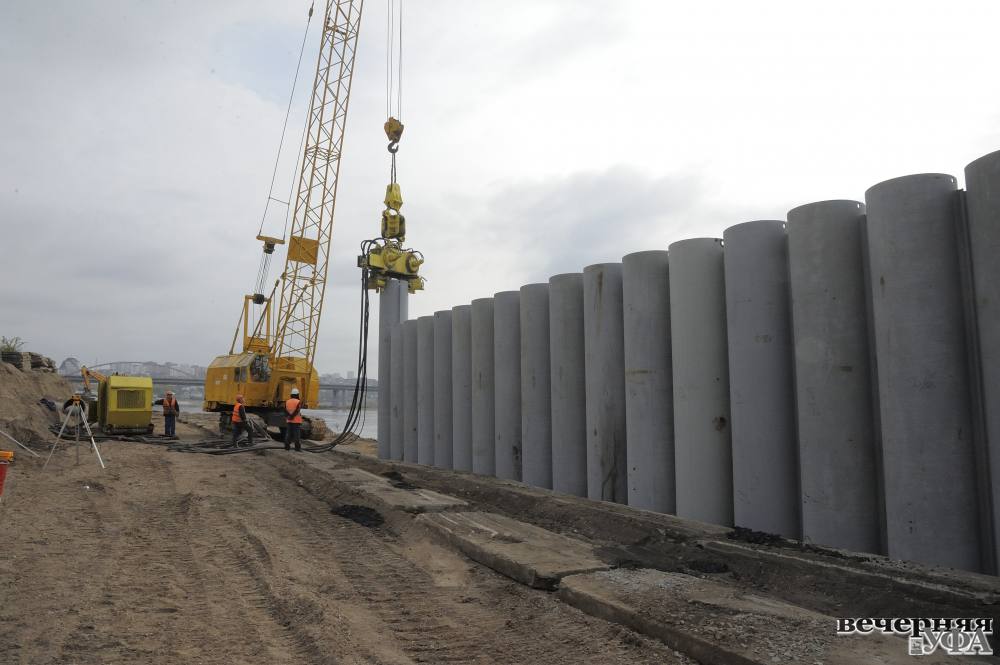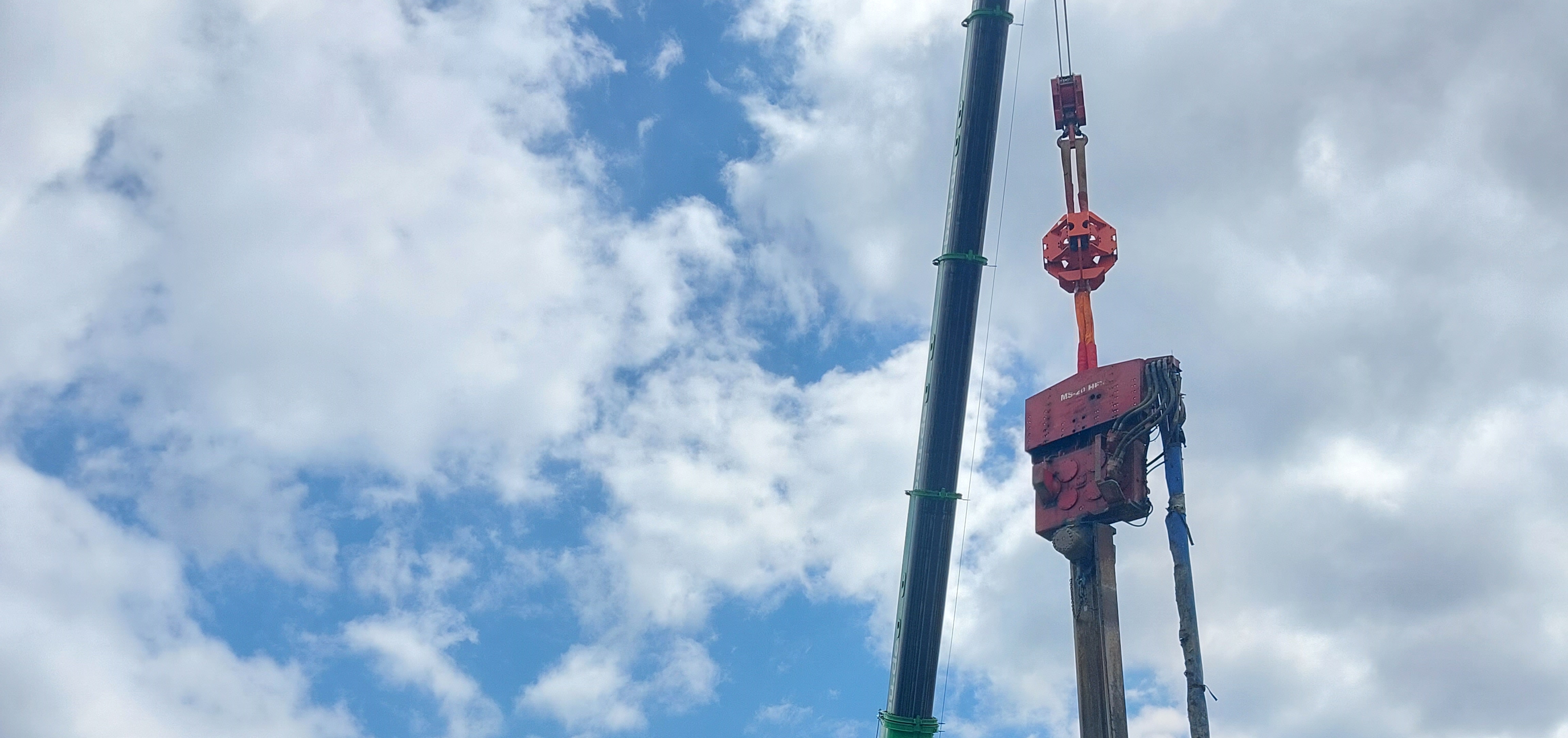

Pile driving plays a critical role in modern construction, forming the backbone of deep foundation systems used in bridges, buildings, marine structures, and infrastructure projects. While the fundamentals of pile driving remain consistent, achieving high-performance results requires a strategic approach that goes beyond equipment and basic techniques.
Contractors today must balance efficiency, cost control, safety, and environmental considerations all while meeting strict project timelines. A well-planned pile driving strategy ensures not only structural integrity but also long-term project success.
This guide will help you take the next step by building a complete, high-performance execution strategy.
Why High-Performance Planning Matters
Pile driving projects are highly sensitive to variables such as soil conditions, equipment performance, and site constraints. Without proper planning, even minor issues can lead to costly delays and structural risks.
Key Benefits of Strategic Planning:
- Improved installation accuracy
- Reduced project delays
- Lower operational costs
- Enhanced safety outcomes
High-performance planning ensures that every stage of the project—from preparation to execution is optimized for success.
Understanding the Key Phases of a Pile Driving Project
To achieve optimal results, it’s important to break down the project into manageable phases.
1. Pre-Construction Planning
This phase includes site analysis, design validation, and equipment selection.
2. Mobilization and Setup
Equipment is transported and installed on-site, ensuring readiness for operations.
3. Pile Installation
The actual driving process begins, requiring precision and monitoring.
4. Post-Installation Evaluation
Testing and verification ensure piles meet design requirements.
Each phase must be carefully managed to maintain efficiency and quality.
Conduct Thorough Site and Soil Analysis
Soil conditions play a crucial role in pile driving performance. Different soil types require different approaches and equipment.
Key Soil Considerations:
- Bearing capacity
- Density and composition
- Groundwater levels
- Obstructions
For deeper insights, revisit Soil Conditions and Pile Driving
Accurate soil analysis helps prevent issues such as pile misalignment or refusal.
Select the Right Equipment Configuration
Equipment selection is a major factor in project success. Using the wrong machinery can reduce efficiency and increase costs.
Factors to Consider:
- Pile type (steel, concrete, timber)
- Project scale
- Soil conditions
- Required depth
For guidance, check Pile Driving Equipment Guide
Choosing the right combination of equipment ensures smoother operations.
Optimize Equipment Setup and Calibration
Proper setup and calibration are essential for accurate pile installation.
Best Practices:
- Align equipment precisely
- Calibrate hammer energy settings
- Verify hydraulic system performance
Even small misalignments can lead to significant structural issues over time.
Manage Energy Transfer Efficiently
Pile driving relies on transferring energy from the hammer to the pile. Efficient energy transfer improves penetration and reduces wear.
Key Considerations:
- Hammer type and performance
- Cushion materials
- Driving resistance
For a comparison of hammer types, revisit Hydraulic vs Vibratory Pile Drivers
Efficient energy use reduces fuel consumption and equipment stress.
Monitor Performance in Real Time
Real-time monitoring allows contractors to track progress and identify issues early.
Monitoring Includes:
- Driving resistance
- Penetration rates
- Equipment performance
Advanced monitoring systems improve accuracy and reduce the risk of failure.
For safety-related monitoring, check Vibration Monitoring Pile Driving Safety
Minimize Project Delays
Delays are one of the biggest challenges in pile driving projects.
Common Causes:
- Equipment breakdowns
- Poor weather conditions
- Supply chain issues
To understand the impact of delays, revisit How Project Timelines Delays Impact Pile Driving Costs
Proper planning and contingency strategies can significantly reduce downtime.
Ensure Crew Coordination and Communication
A well-coordinated team is essential for high-performance execution.
Key Elements:
- Clear communication protocols
- Defined roles and responsibilities
- Regular progress updates
Effective teamwork improves efficiency and reduces errors.
Adapt to Environmental and Site Constraints
Pile driving projects often face environmental challenges such as noise restrictions, urban limitations, and weather conditions.
Strategies for Adaptation:
- Use low-noise equipment where required
- Adjust schedules based on weather forecasts
- Implement environmental protection measures
For eco-friendly approaches, revisit Environmental Best Practices Pile Driving
Focus on Equipment Reliability
Reliable equipment is essential for maintaining productivity.
Reliability Strategies:
- Perform regular inspections
- Use high-quality parts
- Maintain backup equipment
To improve reliability, check Maintaining Pile Driving Equipment
Conduct Post-Installation Testing and Verification
After installation, it’s critical to verify that piles meet design specifications.
Testing Methods Include:
- Load testing
- Integrity testing
- Visual inspections
This step ensures long-term foundation stability and project success.
Common Mistakes That Impact Performance
Even experienced contractors can face challenges that reduce efficiency.
1. Inadequate Planning
Skipping detailed planning leads to unexpected issues.
2. Poor Equipment Selection
Using unsuitable equipment reduces productivity.
3. Lack of Monitoring
Failing to track performance increases risk.
4. Ignoring Environmental Factors
Weather and site conditions can significantly impact results.
The Role of Technology in Modern Pile Driving
Technology is transforming pile driving operations, making them more efficient and precise.
Key Innovations:
- GPS-guided systems
- Automated monitoring tools
- Advanced hydraulic systems
To explore modern advancements, revisit GPS in Pile Driving Automated Pile Installation
These technologies help contractors achieve higher accuracy and better outcomes.
How Pile Driving USA Supports High-Performance Projects
Pile Driving USA provides industry-leading solutions to support efficient and reliable operations.
Key Benefits:
- High-quality equipment
- Expert guidance
- Advanced technology solutions
- Reliable support services
Partnering with experienced providers ensures you have the tools and expertise needed for success.
Final Thoughts
High-performance pile driving projects require more than just technical knowledge—they demand a strategic approach that integrates planning, execution, and continuous improvement.
By focusing on:
- Accurate site analysis
- Proper equipment selection
- Real-time monitoring
- Team coordination
you can deliver projects that are efficient, cost-effective, and structurally sound.
In today’s competitive construction landscape, success depends on your ability to combine precision, efficiency, and innovation into every project you undertake.