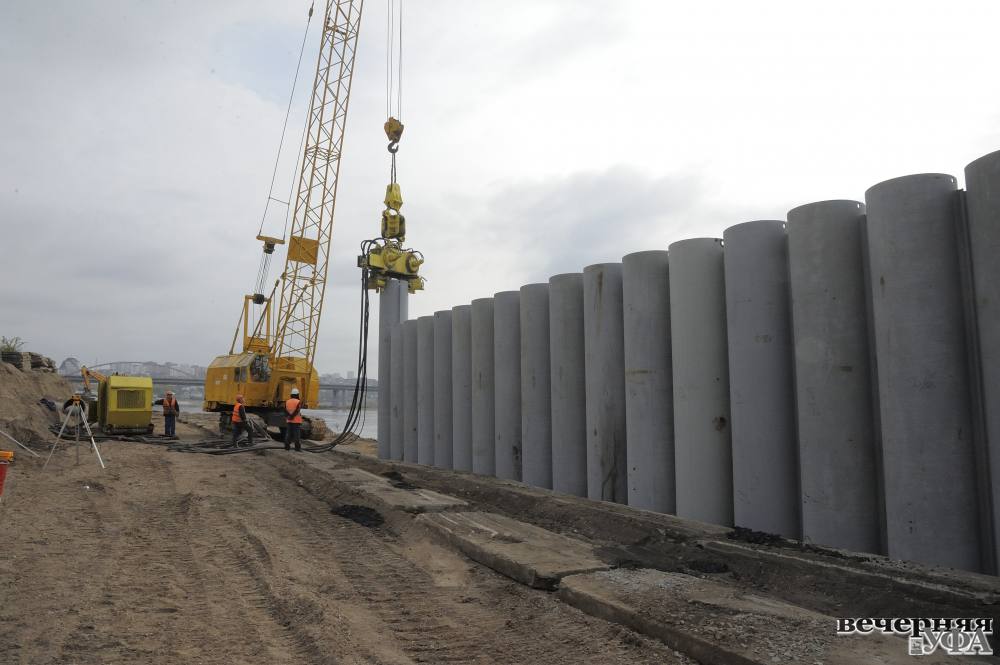

Pile driving plays a critical role in construction, especially when it comes to building strong, stable foundations for structures such as bridges, buildings, and marine installations. As projects become more complex and timelines tighter, contractors are under increasing pressure to improve efficiency while controlling costs.
Modern pile driving projects require more than just powerful equipment—they demand smart planning, advanced technology, and strategic decision-making. This guide explores how contractors can optimize pile driving operations, reduce delays, and maximize overall performance.
Why Efficiency Matters in Pile Driving Projects
Efficiency in pile driving directly impacts:
- Project timelines
- Labor costs
- Equipment wear and tear
- Overall profitability
Delays in foundation work can affect the entire construction schedule. Understanding the fundamentals of foundation systems is crucial, as explained in pile driving deep foundations guide.
Key Challenges in Pile Driving Operations
Before improving efficiency, it’s important to understand the challenges contractors face:
1. Variable Soil Conditions
Different soil types affect pile penetration and stability. Learn more in soil conditions and pile driving.
2. Equipment Downtime
Breakdowns or poor maintenance can delay operations significantly.
3. Noise and Environmental Restrictions
Urban and coastal projects often have strict regulations.
4. Project Delays
Timeline disruptions can increase costs. Explore this further in how project timelines delays impact pile driving costs.
Choosing the Right Equipment for Maximum Productivity
Selecting the right equipment is essential for efficient pile driving.
Types of Equipment:
- Hydraulic pile drivers
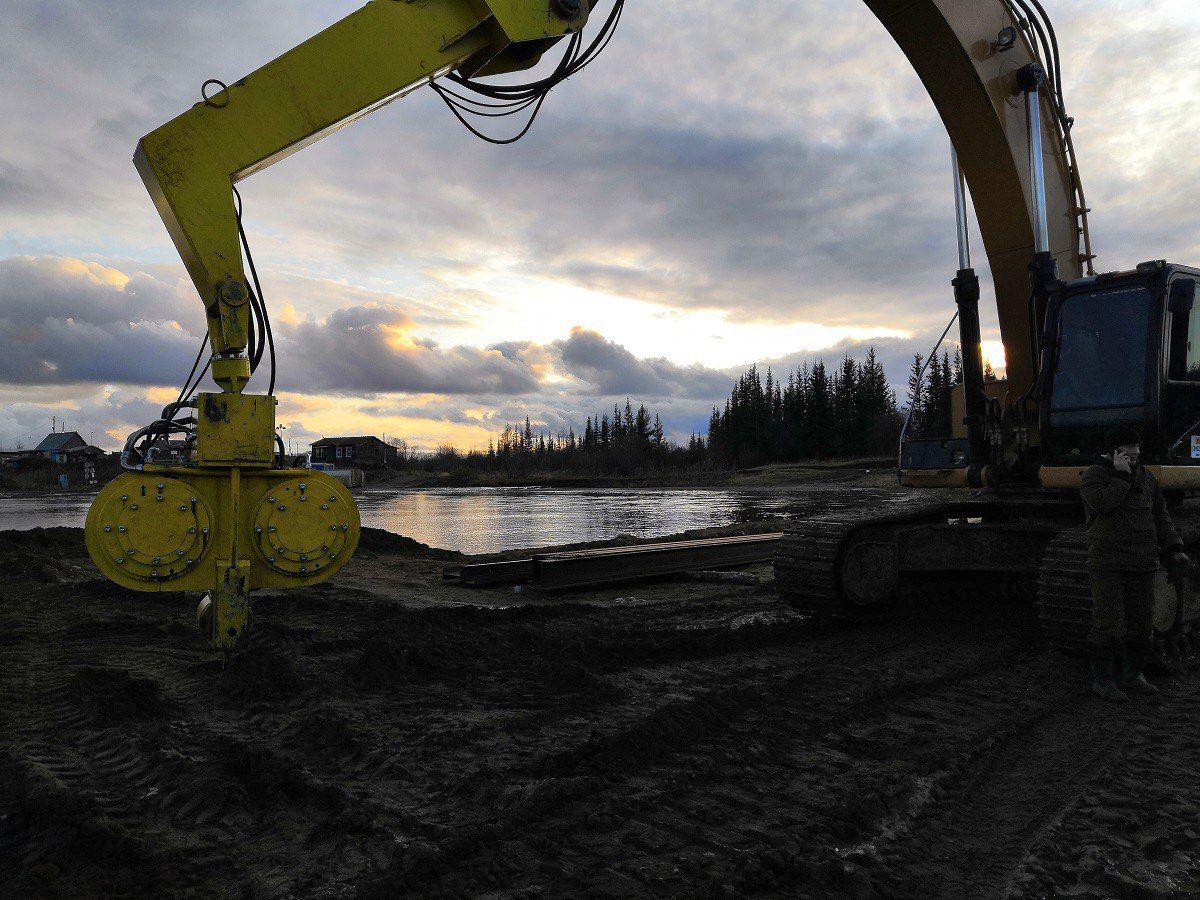
- Vibratory hammers
- Impact hammers
Each type has its own advantages depending on project requirements. For example, vibratory hammers are ideal for faster installation, as discussed in vibratory hammer installation speed.
For a comparison of equipment types, refer to hydraulic vs vibratory pile drivers.
Leveraging Modern Technology for Better Results
Technology has transformed pile driving operations, making them more precise and efficient.
Key Innovations:
- GPS-based positioning systems
- Automated pile installation
- Real-time monitoring
These advancements improve accuracy and reduce errors. Learn more in GPS in pile driving and automated pile installation.
Preventative Maintenance Reducing Equipment Downtime
Equipment reliability is critical to maintaining productivity. Regular maintenance helps prevent unexpected breakdowns.
Best Practices:
- Conduct routine inspections
- Replace worn components
- Maintain hydraulic systems
- Keep maintenance logs
For detailed guidance, check maintaining pile driving equipment.
Optimizing Hydraulic Power Systems
Hydraulic systems power many pile driving machines. Choosing the right power pack ensures optimal performance and efficiency.
Factors to consider include:
- Power output requirements
- Compatibility with equipment
- Fuel efficiency
For more details, see hydraulic power pack selection.
Improving Safety While Increasing Efficiency
Safety and efficiency go hand in hand. Unsafe practices can lead to accidents, delays, and increased costs.
Key Safety Measures:
- Regular equipment inspections
- Proper operator training
- Monitoring vibrations
- Using protective equipment
For safety guidelines, explore top 5 safety practices for pile driving crews and vibration monitoring in pile driving safety.
Reducing Noise and Environmental Impact
Modern projects require environmentally responsible practices. Noise reduction and sustainability are increasingly important, especially in urban areas.
Solutions Include:
- Using vibratory hammers
- Implementing vibration dampers
- Choosing quieter equipment
Learn more in quiet pile driving USA and how vibration dampers improve pile driving efficiency and safety.
Adapting to Weather Conditions
Weather can significantly impact pile driving operations. Cold weather, in particular, can affect equipment performance and soil behavior.
For seasonal strategies, refer to pile driving cold weather winter tips.
Enhancing Foundation Stability
The ultimate goal of pile driving is to create stable foundations. Efficiency should never compromise structural integrity.
Learn more about achieving strong foundations in pile driving foundation stability.
Sustainable and Eco-Friendly Pile Driving
Sustainability is becoming a priority in construction. Modern pile driving methods focus on minimizing environmental impact while maintaining efficiency.
Sustainable Practices:
- Reducing noise pollution
- Lowering emissions
- Using energy-efficient equipment
Explore eco-friendly approaches in sustainable pile driving solutions and environmental best practices in pile driving.
Training and Skilled Workforce
A skilled workforce is essential for efficient pile driving operations. Proper training ensures:
- Better equipment handling
- Reduced errors
- Improved safety
Contractors should invest in ongoing training to maintain high performance standards.
Cost Control Strategies for Pile Driving Projects
Reducing costs while maintaining efficiency requires a strategic approach:
1. Use the Right Equipment
Avoid overusing or underutilizing machinery.
2. Prevent Delays
Proper planning reduces downtime and associated costs.
3. Maintain Equipment
Regular servicing prevents expensive repairs.
4. Optimize Workforce Efficiency
Train operators and streamline workflows.
Why Choosing the Right Partner Matters
Working with a reliable equipment supplier ensures access to high-quality machinery, parts, and support services.Explore solutions in pile driving equipment sales and rentals USA and pile driving services USA foundation construction techniques.
Future Trends in Pile Driving
The future of pile driving includes:
- Increased automation
- Advanced monitoring systems
- More sustainable practices
- Improved equipment efficiency
Stay ahead by exploring innovations in pile driving technology and deep foundation pile driving 2026.
Conclusion
Improving efficiency and reducing costs in pile driving projects requires a combination of the right equipment, proper maintenance, skilled operators, and strategic planning. By leveraging modern technology and sustainable practices, contractors can complete projects faster, safer, and more cost-effectively.Whether working on urban developments, coastal projects, or large-scale infrastructure, adopting these best practices ensures long-term success in the evolving construction industry.