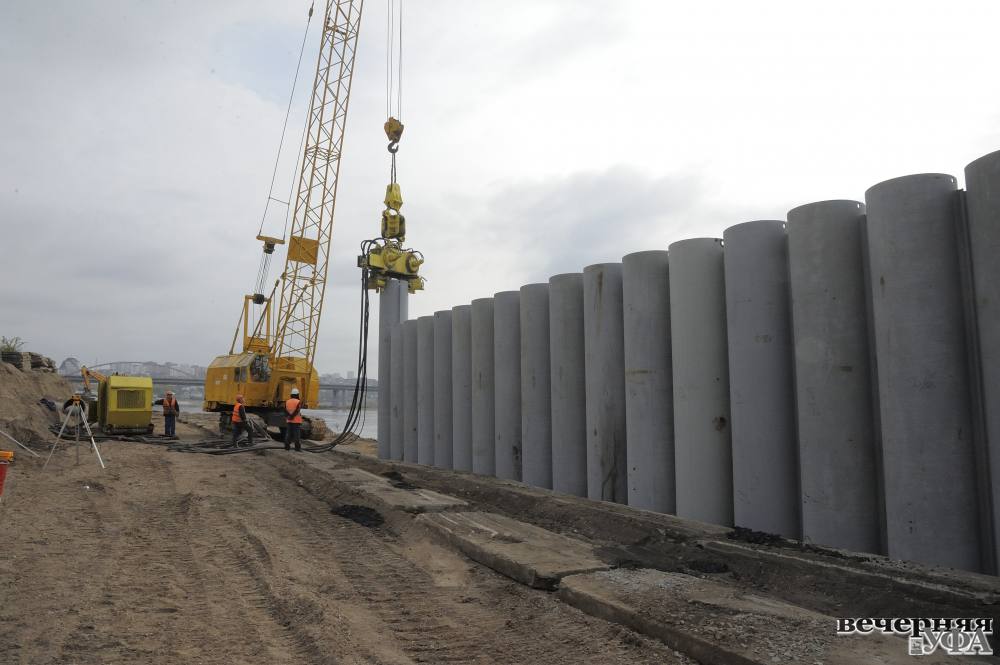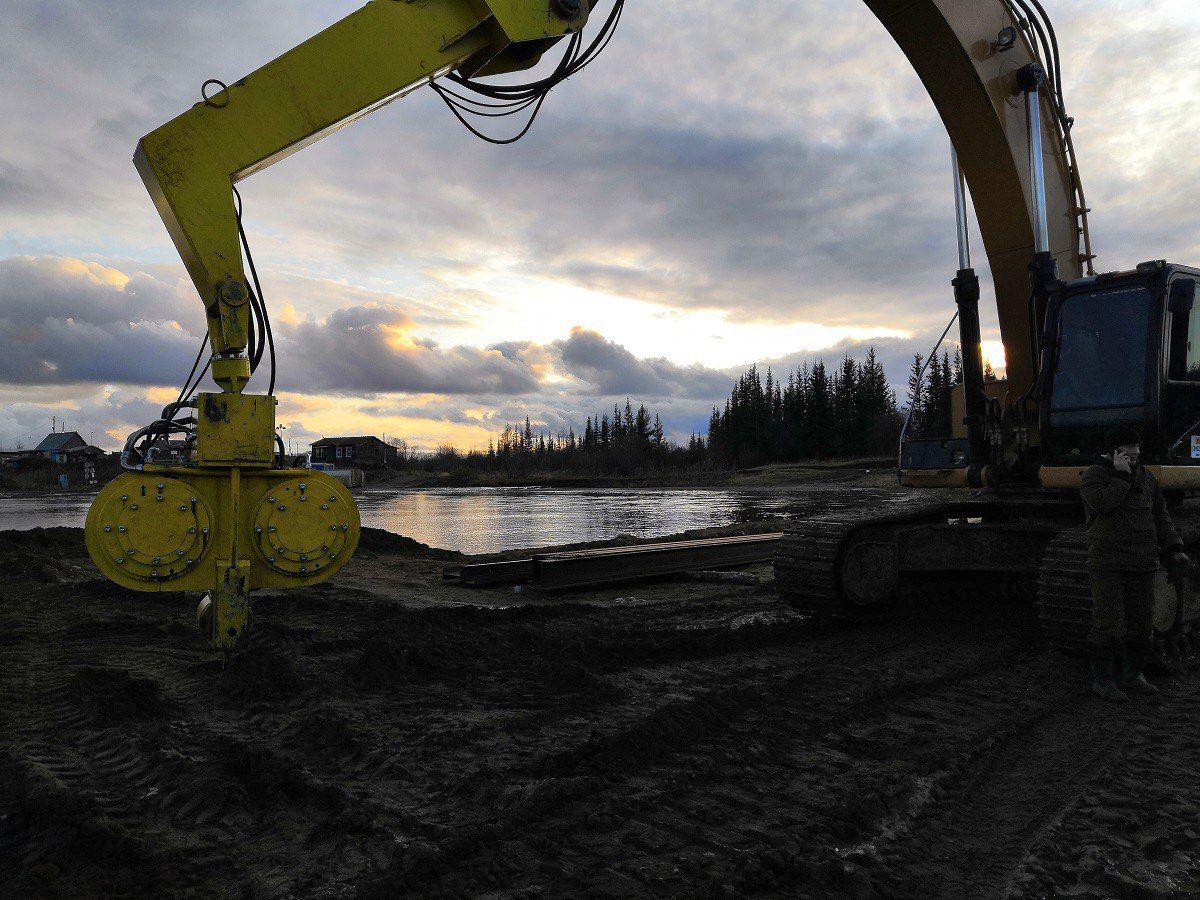


Pile driving is a vital pile driving technique for creating deep and stable foundations. In this deep foundation equipment guide, we’ll cover everything you need to know about a pile driver machine, from the types of equipment used to selecting the right pile driving system for your project.
What is Pile Driving?
Pile driving involves the use of specialized equipment to drive long, slender columns (piles) deep into the ground to create a strong foundation. These piles can be made from wood, steel, or concrete and are driven into the earth until they reach a stable layer of soil or rock that can support the structure above.
For an in-depth look at pile driving and its benefits, check out our blog on Pile Driving: Deep Foundations Guide.
Types of Pile Driving Equipment
Choosing the right pile driver equipment is crucial for successful construction pile driving. There are several types of pile driving equipment, each suited to different soil conditions.
- Vibratory pile drivers: These high-efficiency pile driving systems use vibrations to reduce soil resistance.
- Impact pile drivers: These use a heavy weight to strike the pile repeatedly, driving it deep into the ground.
- Hydraulic hammers: These provide consistent force and control for precise pile driving.
To learn more about choosing the right pile driving equipment, visit our post on Pile Driving Equipment Guide.
Why Pile Driving is Essential for Foundation Stability
The success of any construction project depends on a solid foundation, and pile driving plays a critical role in ensuring that stability. Pile driving is often used in areas where the soil near the surface is too soft or loose to support a structure. By driving piles deep into more stable layers, pile driving helps distribute the load of the building and prevents settling.
If you're interested in understanding how pile driving contributes to foundation stability, be sure to read our blog on Pile Driving Foundation Stability.
Choosing the Right Pile Driver for Your Project
Different types of projects require different pile drivers. When selecting the right equipment, consider the following factors:
- Soil conditions: Are you working with dense rock or soft, sandy soil? The type of soil will determine the force and type of equipment needed.
- Project location: If you're working in an urban area or near sensitive environments, quieter and more efficient equipment like vibratory hammers may be required to minimize disruptions.
- Pile size: The size and type of pile you need to install will affect the choice of equipment.
For guidance on selecting the right pile driver for your specific project, check out our blog on Choosing the Right Pile Driver for Coastal Projects.
Modern Vibratory Hammers: Efficiency for Urban Projects
In urban areas, where noise and vibration control is essential, modern vibratory hammers have become increasingly popular. These hammers offer a quieter, faster, and more efficient way to drive piles into the ground, making them ideal for projects in populated areas.
For more on vibratory hammers and their role in urban pile driving, check out our blog on Modern Vibratory Hammers: Urban Pile Driving.
Pile Driving in Cold Weather: Tips for Winter Projects
Pile driving in cold weather presents unique challenges, such as frozen ground and the potential for equipment malfunctions. However, with the right preparation and techniques, these challenges can be overcome. Ensuring that equipment is properly maintained and using the correct type of pile driving system can prevent delays and improve efficiency.
For winter-specific tips on pile driving, visit our blog on Pile Driving Cold Weather Winter Tips.
Environmental Best Practices for Pile Driving
Pile driving can have a significant impact on the surrounding environment, especially when it comes to noise, vibration, and soil disruption. To minimize environmental impact of pile driving, it’s essential to follow environmental best practices for pile driving by using modern vibratory hammers for urban projects. This includes using quieter equipment, monitoring vibrations, and ensuring proper waste disposal.
For more on minimizing environmental impacts during pile driving, read our post on Environmental Best Practices in Pile Driving.
The Role of GPS in Pile Driving
Modern pile driving projects benefit from the integration of GPS technology, which allows for precise tracking of pile installation. GPS-enabled systems help ensure that piles are driven to the correct depth and location, reducing errors and improving efficiency.
For more information on how GPS technology enhances pile driving operations, check out our blog on GPS in Pile Driving: Automated Pile Installation.
Conclusion
Choosing the right pile driving equipment and techniques is essential for the success of your construction project. From understanding your site’s conditions to selecting the appropriate machinery, careful planning will ensure the stability and longevity of your foundation. At Pile Driving USA, we offer a wide range of equipment and services to meet the specific needs of your project.
For more information on pile driving techniques, equipment, and best practices, visit our other blog posts on Pile Driving Services, Vibratory Hammer Installation Speed, and Choosing the Right Pile Driver.
1. What is pile driving in construction?
Answer: Pile driving is a fundamental technique in construction pile driving that involves using a specialized pile driver machine to install long, slender columns deep into the ground. This process creates a stable foundation by transferring the structural load to deeper, more secure layers of soil or rock.
2. What are the main types of pile driving equipment?
Answer: The most common types of pile driving equipment include vibratory pile drivers, impact pile drivers, and hydraulic hammers. Each pile driving system is selected based on specific site requirements, such as soil density and environmental noise constraints.
3. How does pile driving work to ensure foundation stability?
Answer: Pile driving ensures pile driving foundation stability by driving piles through soft surface soil until they reach a stable layer. This pile driving solution distributes the weight of heavy structures like skyscrapers and bridges, effectively preventing the building from settling over time.
4. Why are modern vibratory hammers preferred for urban projects?
Answer: Modern vibratory hammers for urban projects are increasingly popular because they are quieter and offer faster vibratory hammer installation speed. These high-efficiency pile driving systems minimize disruptions in populated areas while reducing environmental resistance during the drive.
5. Can pile driving be performed in cold weather?
Answer: Yes, but pile driving in cold weather requires specific pile driving techniques to handle frozen ground and prevent equipment malfunctions. Proper maintenance and choosing the right pile-driving equipment are essential tips for maintaining efficiency during winter foundation projects.